Naxos
A Comprehensive Guide to Naxos: The Soul of the Cyclades
Naxos is an anomaly in the Aegean. While its neighbors, Mykonos and Santorini, have become synonymous with frantic crowds and commercialized sunsets, Naxos retains a rugged, authentic pulse. It is the largest island in the Cyclades, a place where mountain villages feel disconnected from the 21st century and golden beaches stretch for miles, often feeling entirely private. For the traveler seeking a mix of Greek mythology, agricultural bounty, and sophisticated relaxation, Naxos offers a complete experience that few other islands can match.
The Historical Significance of Naxos
To understand Naxos, you must understand its strategic position. Throughout history, the island has been a powerhouse, famously exerting its influence during the Archaic period when the Naxian school of sculpture dominated the Greek world. From the giant kouros statues left unfinished in the island’s ancient quarries to the imposing Venetian towers that guard the fertile inland valleys, the landscape is a living museum.
The island’s history is defined by a blend of ancient Hellenic culture and later Venetian occupation. In 1207, Marco Sanudo established the Duchy of the Archipelago, with Naxos as its capital. This influence is still visible in the Kastro district of Naxos Town (Chora), where narrow alleyways, coats of arms above doorways, and Catholic cathedrals sit comfortably alongside Orthodox churches and whitewashed Aegean architecture.
Mythology and the Island’s Identity
Naxos is deeply woven into Greek mythology. Legend dictates that it was here that Theseus abandoned Ariadne after they escaped the Minotaur on Crete. Dionysus, the god of wine and celebration, found her wandering the shores and fell in love. It is no coincidence that the island has been famous for its wine and grapes since antiquity; locals still claim that the island’s fertile soil is a gift from the god himself.
Top Sights and Experiences
Navigating Naxos requires a dual approach: you must appreciate the seaside charm and the rugged mountainous interior. Here are the essential stops for your itinerary.
- The Portara: The iconic marble gateway standing on the islet of Palatia. It is the entrance to an unfinished temple of Apollo and provides the best vantage point for sunsets on the island.
- The Kastro: Wander the medieval labyrinth of Naxos Chora. Inside the walls, you will find the Venetian Museum and the Archaeological Museum, which holds a trove of Cycladic figurines.
- Apeiranthos: A village in the mountains built primarily of white marble. It is a striking sight, with steep stairs, Venetian towers, and a unique dialect still spoken by the older residents.
- The Kouros Statues: Visit the ancient quarries near Apollonas and Melanes to see the massive, unfinished stone figures left behind by sculptors over 2,500 years ago.
- Temple of Demeter: Located near Sangri, this 6th-century BC temple is a masterclass in ancient engineering and provides a quiet, introspective atmosphere away from the coastal breeze.
When planning your excursions to these remote archaeological sites, having the right gear to capture the light and terrain is essential. Whether you are trekking up to a Byzantine church or snapping photos of the Portara, ensure your equipment is protected.
The Gastronomy of Naxos
Naxos is often called the breadbasket of the Cyclades. Unlike the barren rocks of neighboring islands, Naxos is self-sufficient. Its mountains provide world-class cheeses, honey, and potatoes, while the sea provides fresh octopus and bream. A meal here is not merely sustenance; it is a ritual of local pride.
What to Order
Do not leave without trying Graviera Naxou, a hard cheese protected by the EU for its unique flavor. Pair this with a salad topped with local olives and tomatoes that have been ripened under the intense Aegean sun. For a main dish, seek out Naxian goat, slow-roasted with wild herbs, or the classic Gouna—sun-dried, salted fish grilled to perfection.
The island is also famous for its production of Kitron, a citrus-based liqueur made from the leaves of the citron tree. It is traditionally served chilled as an aperitif, and you can visit the Vallindras Distillery in Halki to see the original equipment used for its production.
Best Time to Visit
Timing is everything in the Cyclades. Naxos is a year-round destination for the locals, but for the visitor, the shoulder seasons—late May to mid-June and September to early October—are the golden windows.
During the summer peak (July and August), the Meltemi winds can become quite strong, cooling the island but making some beaches choppy. If you visit in May or June, the island is blooming with wildflowers, and the water temperatures are beginning to climb, yet the tavernas are quiet enough to guarantee a table with a sea view. September brings a slower pace and the grape harvest, offering a deeply cultural insight into the island’s agricultural rhythm.
A Suggested 5-Day Naxian Itinerary
Day 1: Chora and the Sunset
Arrive and check into a hotel in Naxos Town or the nearby St. George beach. Spend your first afternoon getting lost in the winding alleys of the Old Town. As the sun begins to dip, make your way to the Portara for a dramatic introduction to the Aegean light.
Day 2: The Fertile Interior
Rent a car or ATV and head to the village of Halki. Visit the Kitron distillery, then drive to the nearby Temple of Demeter. End your day in the mountain village of Apeiranthos for dinner, where the air is noticeably cooler and the pace of life slows to a crawl.
Day 3: Beach Hopping the South
Skip the crowded town beaches and drive south toward Plaka, Orkos, and Mikri Vigla. These long stretches of sand offer incredible swimming conditions. If you enjoy water sports, Mikri Vigla is the premier spot for kiteboarding and windsurfing due to the reliable afternoon winds.
Day 4: History and Mythology
Dedicate your morning to the unfinished Kouros statues near Melanes. Spend the afternoon at the beach of Agiassos, which is much quieter and offers a sense of seclusion. Enjoy fresh seafood at one of the rustic, family-run tavernas overlooking the water.
Day 5: The North Coast
Drive the winding roads to the northern part of the island to reach Apollonas. It is a scenic route that passes by medieval watchtowers and olive groves. Spend your last day lounging at the quiet beaches of the north and enjoying the local hospitality before your departure.
Practical Tips for the Discerning Traveler
- Transportation: Public buses are reliable for getting between major hubs, but to reach the hidden beaches and inland villages, renting a vehicle is mandatory. Book this in advance during peak season.
- Footwear: The streets of Naxos Town are paved with slick marble and steep inclines. Leave the heels at home; high-quality walking sandals are the only acceptable footwear.
- Water: While the island has water, it is best to stick to bottled water for drinking, as the tap water is often brackish due to the island’s geology.
- Etiquette: Greeks are deeply hospitable but prioritize modesty in religious sites. Always ensure your shoulders and knees are covered when visiting any of the island's many Byzantine chapels.
Why Naxos Remains Unique
In a world of fast-travel and curated Instagram moments, Naxos demands that you slow down. It does not try to impress you with high-end boutiques or exclusive clubs; instead, it impresses you with the smell of wild oregano on the mountain trails, the sound of the wind through the olive trees, and the genuine smile of a taverna owner pouring you a glass of homemade wine.
The island’s dual nature—the refined history of its Venetian-influenced capital and the wild, untamed beauty of its mountains—ensures that every traveler finds what they are looking for. Whether you are a history buff wanting to walk through the same quarries as ancient sculptors, a foodie searching for the perfect piece of graviera, or a sun-seeker looking for a quiet cove, Naxos delivers a sense of place that sticks with you long after the ferry pulls away from the harbor.
Naxos is not an island that asks for your attention; it is an island that earns your respect. It is a reminder that the best travel experiences are often found where the modern world meets the ancient landscape, and where local tradition still reigns supreme over global trends. For those traveling to Dionysos Travel, Naxos remains our top recommendation for a trip that balances luxury with profound, authentic connection.
Disclaimer: This guide contains affiliate links. If you book or purchase through these links, we may earn a small commission at no extra cost to you. This helps support our travel guides.
Essential Guides
Latest Articles About Naxos
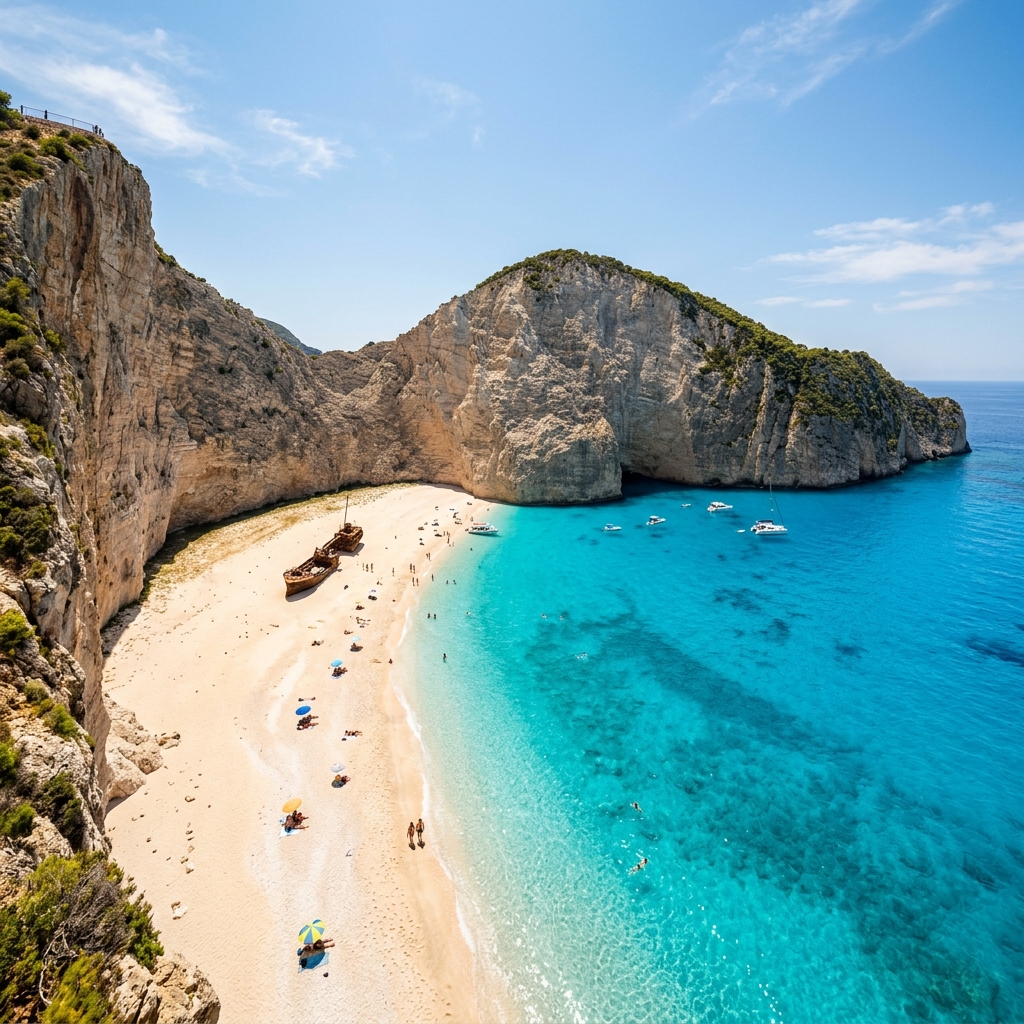
10 Best Beaches in Greece You Must Visit
Planning a trip to Greece? Discover the 10 best beaches in Greece, from hidden gems to iconic shores. Explore crystal-clear waters and golden sands for your perfect vacation.
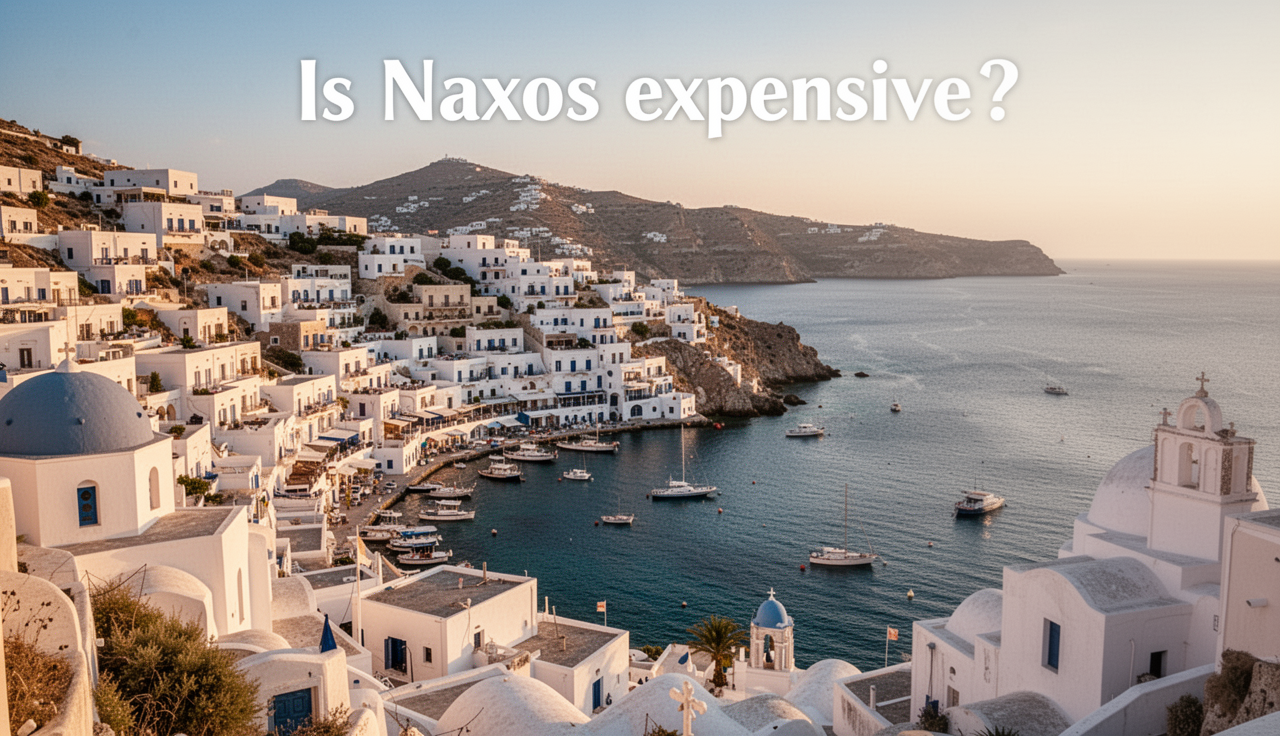
Is Naxos expensive?
Planning a trip to Greece? Find out if Naxos is expensive, with a breakdown of costs for accommodation, dining, and activities to help you budget for your island getaway.

Where to stay in Naxos
Planning a trip to Naxos? Discover the best areas to stay, from family-friendly beach resorts in Agia Anna to the vibrant nightlife and historic charm of Naxos Town (Chora).

Best time to visit Naxos
Planning a trip to the Greek Islands? Discover the best time to visit Naxos for perfect weather, fewer crowds, and the best prices for your island getaway.
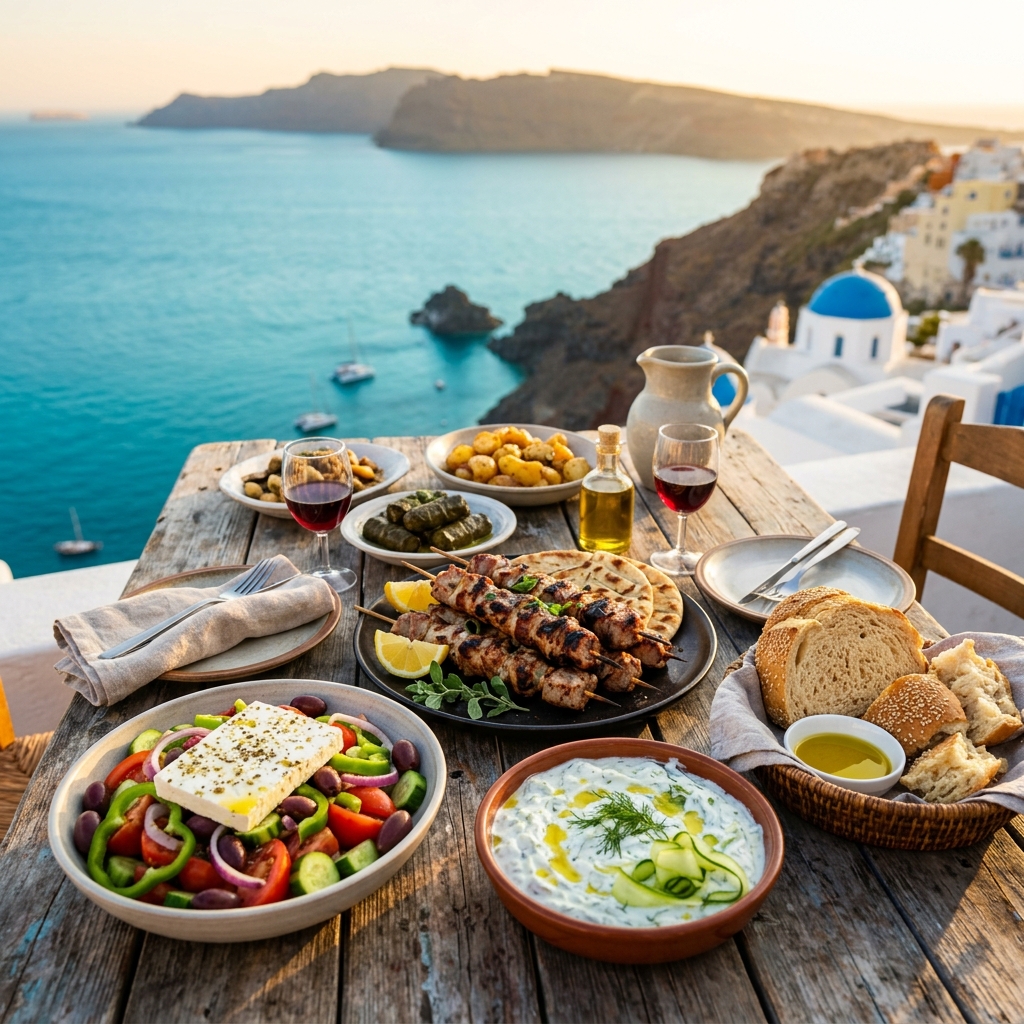
A Food Lover's Guide to Greek Cuisine
Discover the best of Greek cuisine in our comprehensive guide. Explore must-try traditional dishes, authentic ingredients, and the secrets behind iconic Greek flavors.