Understanding the Real Cost of a Naxos Vacation
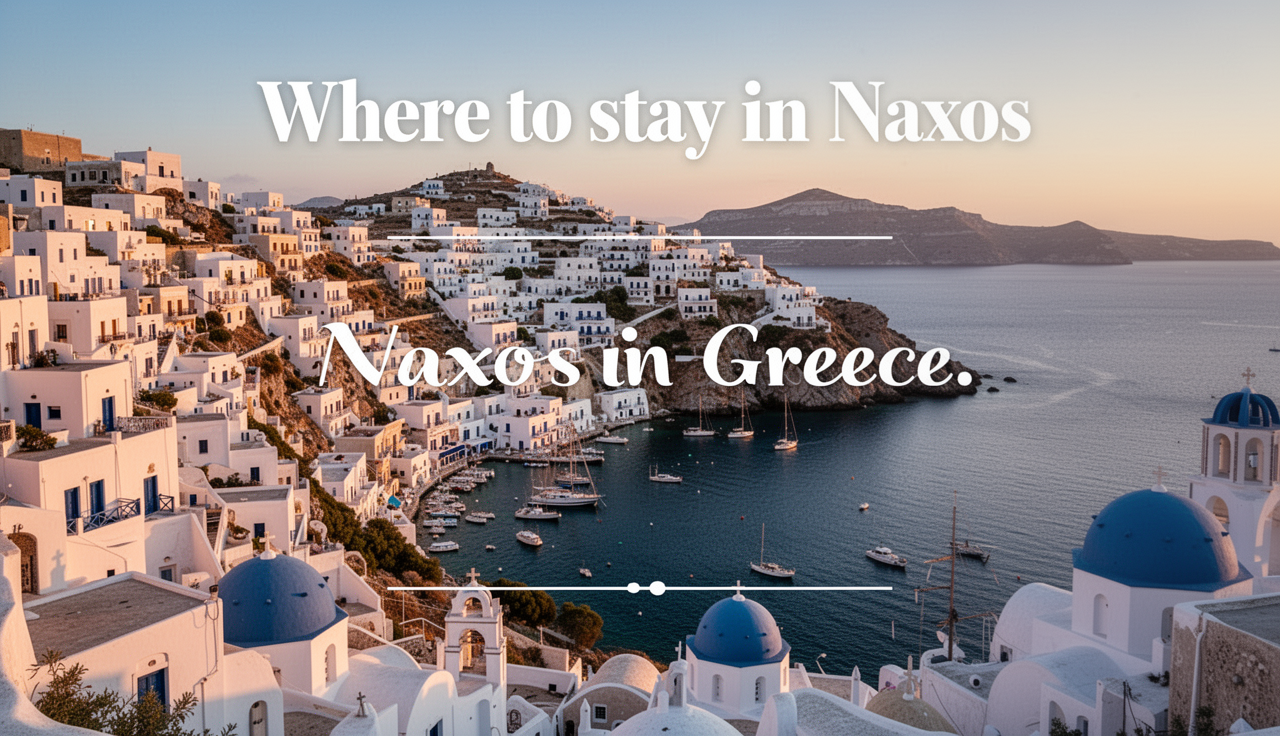
When travelers start planning their Greek island hopping adventures, Naxos frequently tops the list. It offers a perfect balance of fertile green valleys, soaring mountain villages, and some of the finest beaches in the Aegean. However, a common question arises: Is Naxos expensive? The short answer is that Naxos remains one of the most versatile destinations in the Cyclades. It caters to both budget-conscious backpackers and travelers seeking five-star luxury, with a cost structure that often proves more sustainable than its neighbors, Mykonos or Santorini.
To understand the expense, you must look at the variables: the time of year you choose to visit, your preferred style of accommodation, and your appetite for local versus imported goods. Naxos is a massive island with a thriving agricultural sector, which significantly lowers the cost of dining compared to smaller, tourism-dependent islands that rely on expensive imports.
Accommodation Strategy: Where to Stay for Your Budget
Accommodation is typically the largest slice of your travel budget. In Naxos, your spending depends heavily on whether you choose to stay in Chora (the main town), the beach resorts, or the interior villages.
- Budget Stays: If you are comfortable with studio apartments or family-run guesthouses, you can find quality rooms for between €60 and €90 per night during the shoulder season. Look for options in neighborhoods slightly removed from the immediate harbor front.
- Mid-Range Comfort: For travelers wanting sea views and a pool, you are looking at €120 to €200 per night. Areas like Agios Prokopios and Agia Anna are popular and offer great value for this price point.
- Luxury Living: Naxos has seen an increase in boutique hotels and private villas. If you seek high-end amenities, expect to pay anywhere from €300 to over €600 per night.
Before you depart, ensuring your gear is organized can save you time and stress at the airport or ferry terminal.
Durable Travel Packing Cubes
Recommended gear for your adventure


Dining: Eating Like a Local
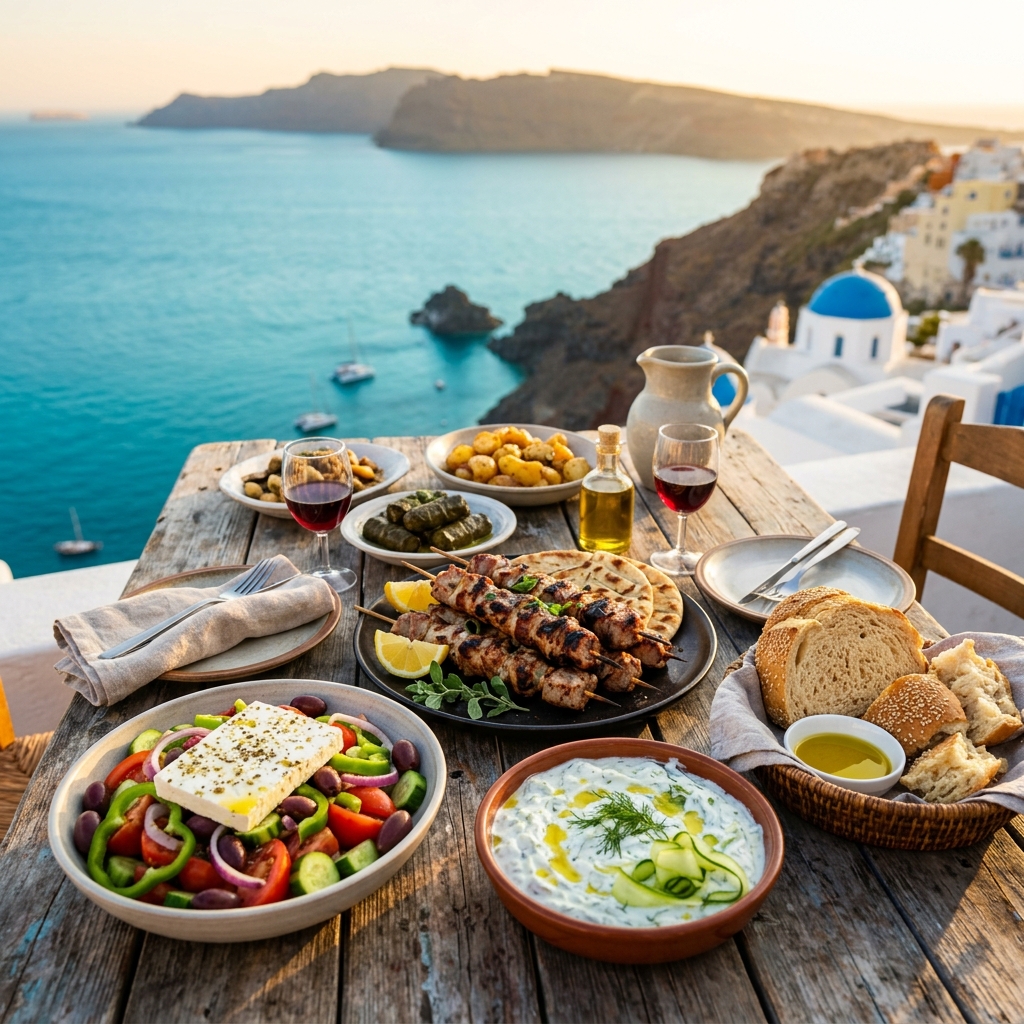
One of the best ways to keep costs down in Naxos is to embrace the local food culture. Unlike islands where a simple salad can cost €20, Naxos produces its own potatoes, graviera cheese, olives, and wine. These local staples are not only delicious but remarkably affordable.
A typical meal at a traditional taverna in a mountain village like Apiranthos or Filoti will cost significantly less than dinner in the main port. You can enjoy a hearty meal of local lamb, fresh salads, and a carafe of house wine for approximately €15–€25 per person. If you choose restaurants specifically targeting tourists along the promenade in Chora, be prepared to pay premium prices, often double what you would pay just a few streets back.
Transportation Costs: To Rent or Not to Rent?
Naxos is the largest island in the Cyclades. While the public bus system is efficient and connects the main beach areas and Chora, it is not ideal for those who want to reach the remote hiking trails, hidden mountain caves, or secret coves on the eastern side of the island.
Renting a vehicle is almost essential for a full Naxos experience. Small manual cars can be found for €30–€50 per day in the low season, but prices spike during July and August. If you are an experienced rider, renting a scooter is a cheaper alternative, but be mindful of the winding, steep mountain roads and the occasional high winds. Regardless of your mode of transport, having a reliable way to navigate is vital.
Portable Phone Mount for Rental Cars
Recommended gear for your adventure

The Best Time to Visit for Cost-Efficiency
The timing of your trip is the single most important factor in determining the total cost. The Cycladic season follows a distinct price curve:
The Peak Season (July and August)
Expect the highest prices for everything from ferries to fresh produce. Demand outstrips supply, meaning bookings must be made months in advance. If you choose this window, realize you are paying for the high-energy atmosphere and guaranteed sunshine, not necessarily value.
The Shoulder Season (May, June, September, and October)
This is the "sweet spot" for Naxos. The weather is warm enough for swimming, the crowds have thinned, and accommodation prices drop by 30% to 50%. You get the same, if not better, experience without the intense heat or the premium price tags.
The Off-Season (November through April)
Many businesses close down, and ferry schedules are reduced. While accommodation is incredibly cheap, this time is only recommended for those seeking solitude or a base for remote work, as the lively island atmosphere is largely dormant.
Suggested 5-Day Naxos Itinerary
This itinerary balances the cost of activities with the natural beauty of the island, keeping your spending focused on experiences rather than expensive tours.
- Day 1: Chora and Portara. Explore the Kastro (Old Town) and watch the sunset at the Portara (the giant marble gate). Entry is free. Stick to local bakeries for lunch to save money.
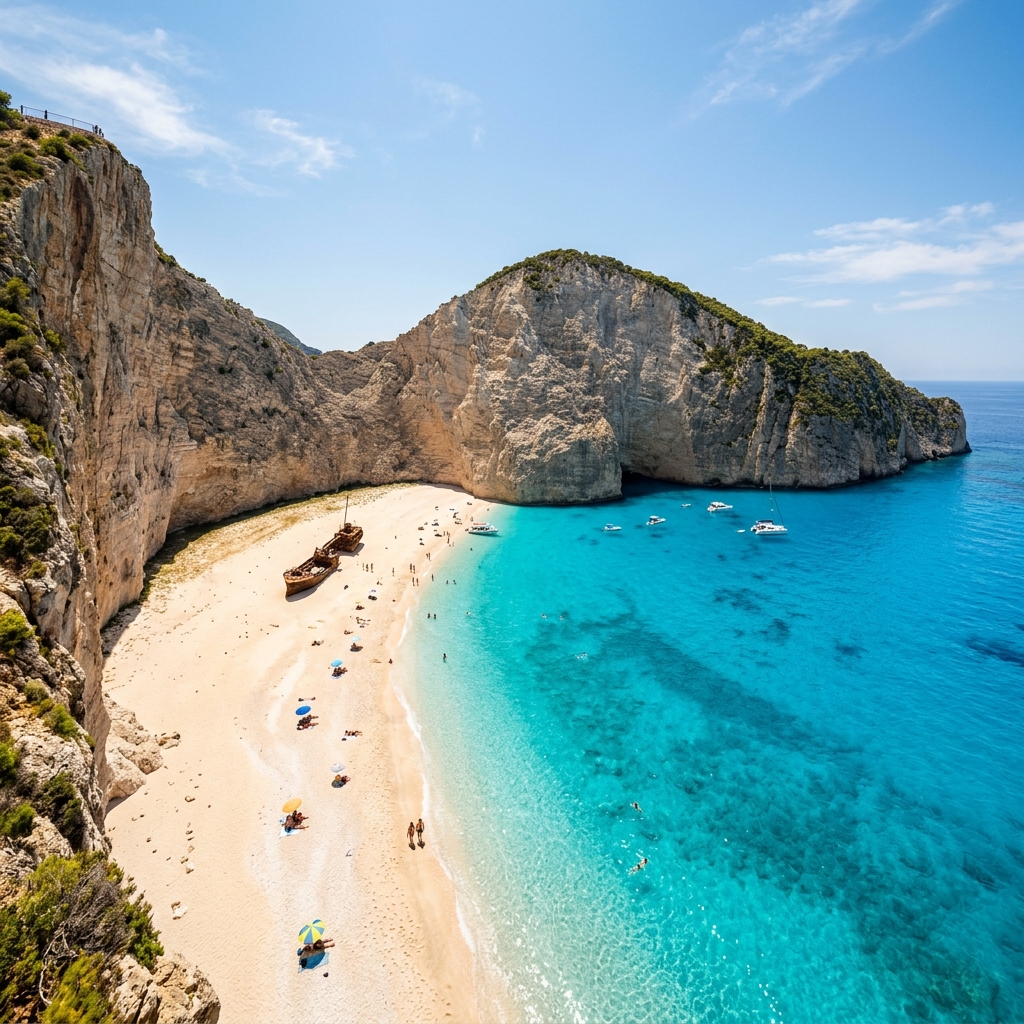
- Day 2: Beach Hopping. Take the local bus to Agios Prokopios and Agia Anna. These beaches are free to access. If you have your own car, drive further to Plaka for a quieter experience.
- Day 3: Mountain Village Tour. Drive to Filoti and Apiranthos. The journey itself is an experience. Eat lunch in the village square to support local farmers.
- Day 4: Hiking Mount Zeus. The highest peak in the Cyclades. The trail is free and offers stunning panoramic views. Pack your own snacks and water to avoid high prices at the trailhead cafe.
- Day 5: Southern Coast Exploration. Spend your final day exploring the remote beaches of the south coast, such as Panormos. These are less developed and offer a truly wild Greek experience.
Hidden Costs to Consider
When budgeting, don't forget the "invisible" costs that can quickly add up:
- Ferry Tickets: Getting to Naxos depends on whether you take a high-speed craft (faster but more expensive) or a traditional ferry (slower but cheaper and more stable).
- Sunbed Rentals: On popular beaches, a set of two sunbeds and an umbrella can cost anywhere from €10 to €50. To save money, buy a cheap portable umbrella or simply find a section of the beach that is not managed by a beach club.
- Hydration: Tap water in many parts of the islands is not ideal for drinking. Buying bottled water daily adds up. Consider a filtered water bottle to save money and reduce plastic waste.
The Verdict: Is Naxos Expensive?
Naxos is not "expensive" in the traditional sense; it is value-driven. If you visit in July, book a five-star suite, and dine exclusively at tourist-trap restaurants, your wallet will feel the strain. However, if you embrace the mountain culture, stay in boutique family-run studios, and enjoy the locally sourced food, Naxos is one of the most affordable and rewarding islands in the Aegean.
By spending your money on experiences—like renting a car to discover the interior, hiking the ancient trails, and visiting the local cheese producers—you ensure that every Euro spent goes toward a memory rather than a luxury markup. Naxos provides a high-quality Mediterranean experience that respects both your travel goals and your budget.
When visiting, remember to remain flexible with your plans. The island has a way of revealing its best secrets when you step off the beaten path. Whether you are looking for a week of beach relaxation or an adventurous tour of historic villages, Naxos remains accessible, beautiful, and refreshingly authentic.
Disclaimer: This article contains affiliate links. If you book or purchase through these links, we may earn a small commission at no extra cost to you. This helps support our travel guides.