Understanding the Rhythm of Naxos
Naxos is the largest island in the Cyclades, but it functions differently than its neighbors. While Mykonos is defined by exclusivity and Santorini by sunset-viewing crowds, Naxos remains a place of agricultural rhythm, rugged mountain peaks, and arguably the finest stretches of sand in the Aegean. Deciding when to visit this island requires balancing your desire for beach days, hiking opportunities, and the local festival calendar.
For most travelers, the "shoulder" months of May, June, September, and early October offer the sweet spot. During these times, the island breathes. You can find a sunbed without a reservation, the tavernas are stocked with fresh produce, and the relentless Meltemi winds—which can whip across the Aegean in July and August—are generally more manageable.
Spring: The Season of Renewal
Visiting Naxos in May is an exercise in tranquility. The island is at its most vibrant green, as the winter rains have left the fertile valleys of Tragea and the mountainsides lush with wildflowers. By mid-May, the sea is usually warm enough for a brave dip, and the air is crisp, making it the premier time for hiking the trails that connect the traditional mountain villages like Apiranthos and Filoti.
One of the primary benefits of a spring visit is the accessibility of the island’s interior. As summer intensifies, the heat can make mid-day treks grueling, but in spring, you can comfortably explore the ancient Byzantine churches and Venetian towers that dot the landscape. If you plan on doing some heavy walking, you will want to ensure you have proper footwear.
High-Quality Hiking Sandals
Recommended gear for your adventure

Durable Waterproof Hiking Sandals For Travel - Premium Choice

Top Rated Durable Gear

Professional Durable Waterproof Hiking Sandals For Travel

Compact Durable Waterproof Hiking Sandals For Travel (Travel Size)
What to Expect in May and June
- Weather: Temperatures hover between 20°C and 25°C. It is perfect for sightseeing without the risk of heatstroke.
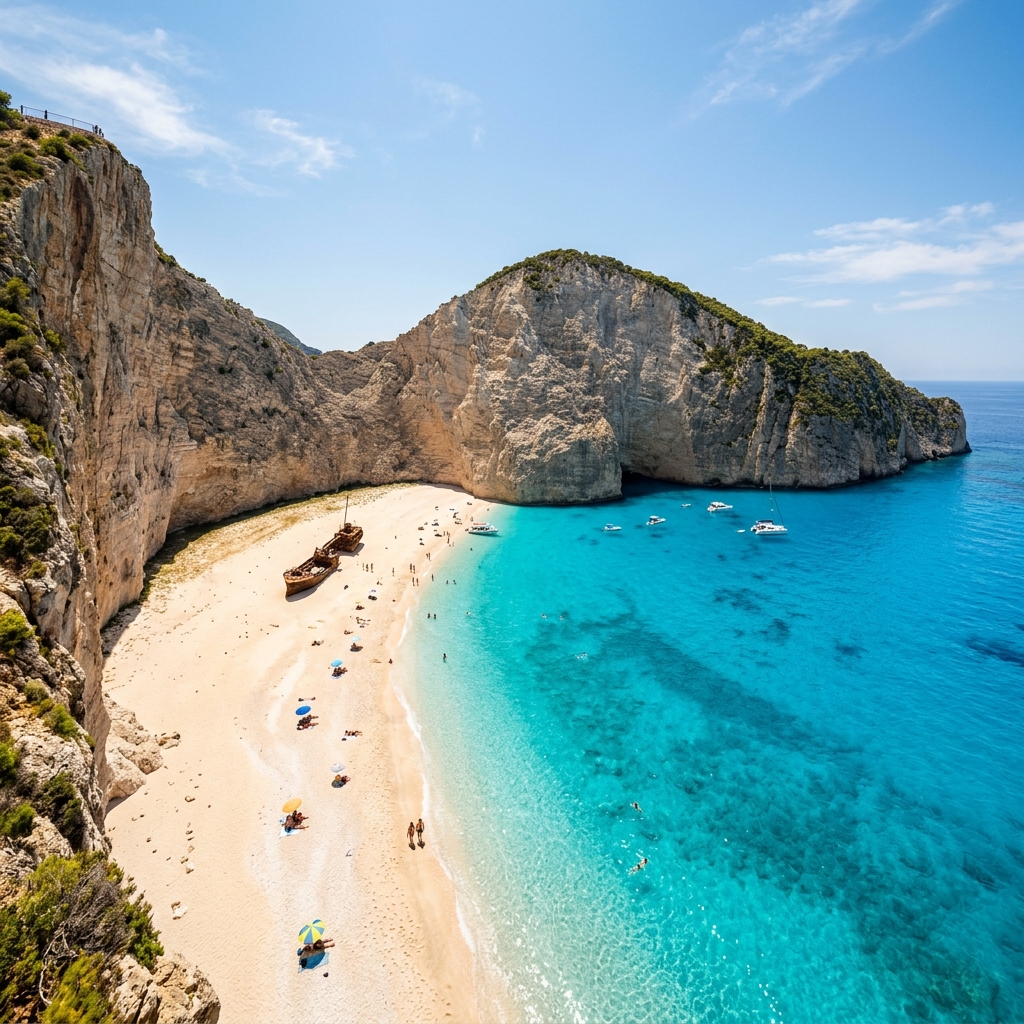
- Crowds: Minimal. You will likely have the famous sandy beaches of Plaka and Agios Prokopios almost to yourself.
- Local Life: The locals are preparing for the summer influx, meaning restaurant menus are being updated and beach bars are just beginning to open. It is an authentic look at the "real" Naxos.
Summer: The High Season Pulse
July and August are the months of high-energy island life. Naxos becomes a hub for families, kitesurfers, and those who want the full spectrum of Mediterranean nightlife. The Aegean is at its warmest, and the nightlife in Naxos Town (Chora) stays active until the early hours. However, this comes with the trade-off of higher accommodation prices and larger crowds at the popular spots.
If you visit during this time, you must embrace the Meltemi. This north wind is a double-edged sword; it keeps the island from becoming dangerously hot, but it can make certain beaches choppy. The key is knowing which side of the island to visit based on the wind direction. For kitesurfers, this is the absolute peak season, particularly around Mikri Vigla.
Autumn: The Golden Hour of the Aegean
September is frequently cited by repeat visitors as the best month to be on Naxos. The sea has spent the entire summer soaking up the heat, making it arguably the most comfortable time for swimming. The crushing heat of August has faded into a golden, mellow warmth. By late September, the prices for boutique hotels and villas begin to drop, allowing for a higher standard of luxury for the same budget.
October brings a sense of quiet closure. The island begins to transition back to its agricultural roots, with the olive harvest beginning toward the end of the month. While some beach bars begin to dismantle their umbrellas, the town itself stays open and lively. It is the perfect time for those looking for a slower, more contemplative experience.
Naxos Weather Breakdown by Month
The Shoulder Window (May – June & September – October)
These months are defined by manageable temperatures and lower humidity. It is the ideal period for those who plan to spend time out of the water as much as in it. If you are a photographer, the light in October is legendary—the "golden hour" seems to last for hours, casting a soft glow over the Portara (the giant marble gate of the Temple of Apollo) at sunset.
The Peak Season (July – August)
Expect highs of 30°C to 35°C. This is the time for water-based activities. If you are headed to the beaches, be aware that UV levels are high. Always pack high-quality protection for your gear and your skin, as the sun reflecting off the white Cycladic marble and sand can be intense.
Polarized Sunglasses for Travel
Recommended gear for your adventure

A Suggested 5-Day "Best Of" Itinerary
Regardless of when you visit, Naxos rewards a balanced itinerary that covers the coast and the mountains.
Day 1: Chora and the Portara
Start by getting lost in the winding, labyrinthine alleys of the Kastro (the Venetian castle area) in Naxos Town. End your day at the Portara just before the sun sets. The light hitting the temple ruins against the backdrop of the Aegean is the defining image of the island.
Day 2: The Sandy Coast
Rent a car or use the reliable local bus network to head south. Spend the day moving between Agios Prokopios, Agia Anna, and Plaka. These beaches are interconnected by a long, sweeping coastline of white sand. Find a quiet taverna tucked behind the dunes for a lunch of local Naxian potatoes and fresh calamari.
Day 3: The Mountain Villages
Drive into the heart of the island. Visit the village of Halki, known for its citrus liqueur distillery (Vallindras). Continue to Apiranthos, the "marble village," where the streets are paved with stone and the architecture feels distinct from the coastal towns. The air here is significantly cooler, making it a refreshing escape from the coast.
Day 4: History and Archaeology
Naxos is home to incredible history. Visit the Temple of Demeter near Sagri. It is one of the oldest marble temples in Greece, dating back to 530 BC. The setting, in the middle of a fertile farming valley, is incredibly peaceful. In the afternoon, look for the Kouros statues—enormous, unfinished marble figures left behind in ancient quarries.
Day 5: Island Hopping or Catamaran Sailing
Use your final day to get out on the water. Numerous small cruise operators run daily catamaran trips from the port. You can visit the sea caves of the Rina Cave or head over to the smaller, uninhabited islands nearby for crystal-clear snorkeling sessions that you simply cannot access from the shore.
Practical Tips for a Smooth Trip
Transportation
While the local bus system in Naxos is the best in the Cyclades, renting a vehicle is highly recommended if you intend to explore the island’s interior. Naxos is large, and the roads can be winding. If you are not comfortable driving manual transmissions, ensure you book an automatic vehicle well in advance, as they are in limited supply.
Accommodation Strategy
If you want easy access to dining and the ferry port, stay in Chora. If you prefer a "beach holiday" where you can walk out of your room onto the sand, look for hotels along the Plaka or Agia Anna stretches. For a more secluded, romantic experience, the inland villages offer beautiful guesthouses converted from old stone buildings.
Dining Etiquette
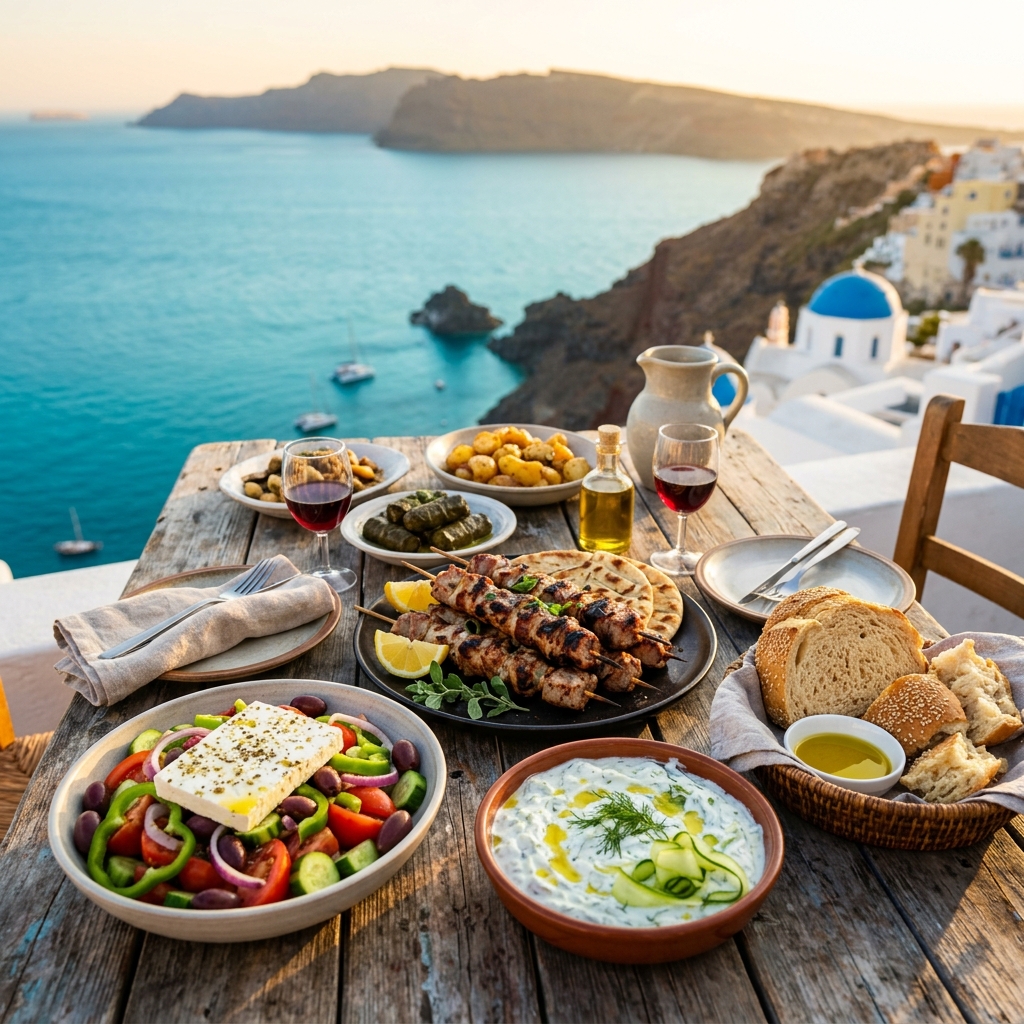
Naxos is arguably the most self-sufficient island in the Cyclades. It produces its own cheeses (the graviera is world-class), potatoes, meats, and honey. Do not hesitate to ask for the "Naxian specialty" at any taverna. Dining is a slow affair; don't be surprised if your dinner lasts two hours. It is considered poor form to rush a meal in Greece.
Why Naxos Outshines the Rest
What sets Naxos apart from its more famous siblings—Santorini and Mykonos—is its genuine agricultural soul. While tourism is a major industry, the island continues to feed itself. You will drive past fields of grazing sheep and rows of potatoes just meters from the shore. This creates a food culture that is superior to many other Greek islands, as the distance from farm to plate is often only a matter of a few kilometers.
When choosing your travel dates, consider what you want to prioritize. If you are an athlete, come in July for the wind. If you are a foodie and history buff, come in May or September when the weather allows for long days of exploration and relaxed evenings. If you are looking for the quintessential Greek summer party, July and August are unavoidable. Regardless of the month, Naxos remains a place where the grandeur of the ancient world meets the simple, slow-paced life of the modern Mediterranean.
Take your time, rent the car, walk the mountain paths, and most importantly, sit at a taverna table for as long as you like. Naxos is not an island to be ticked off a checklist; it is an island to be savored.
Disclaimer: This article contains affiliate links. If you book or purchase through these links, we may earn a small commission at no extra cost to you. This helps support our travel guides.