Understanding the Paros Rhythm
Paros operates on a distinct seasonal pulse. Located in the heart of the Cyclades, this island strikes a balance between the cosmopolitan energy of Mykonos and the family-oriented tranquility of Naxos. Choosing the right time to visit depends entirely on what you want from your Aegean escape: wind-whipped kiteboarding, quiet beach exploration, or the late-summer social scene in Naoussa.
The shoulder seasons, specifically late May through mid-June and mid-September through early October, are widely considered the sweet spots for most travelers. During these windows, the weather is warm enough for swimming, the ferry schedules are reliable, and the island’s narrow marble-paved alleys are navigable without the crushing weight of peak-season crowds.
Spring: The Season of Renewal (Late April to Early June)
If you prefer an island draped in wildflowers rather than beach umbrellas, spring is your window. As the winter chill retreats, the Paros landscape transforms into a vibrant green tapestry. This is the time to explore the inland villages of Lefkes and Marpissa, where hiking trails are at their most pleasant before the summer sun turns the earth golden.
What to Expect in Spring
- Temperatures: Comfortable highs between 18°C and 24°C (64°F–75°F).
- Crowds: Minimal. You will likely have the small chapels and coastal lookouts to yourself.
- Activities: Perfect for photography, trekking the Byzantine Road, and leisurely lunches in Parikia.
- Water Conditions: The Aegean remains brisk. You may need a wetsuit if you plan on extended swimming or watersports.
Because the weather can be unpredictable, it is wise to pack layers. A windbreaker is essential for the ferry crossings or breezy evenings on the terrace. If you are planning to spend your days outdoors, consider bringing some protective gear.
High-quality windbreaker jacket
Recommended gear for your adventure

Lightweight Windproof Travel Jacket For Men And Women - Premium Choice

Top Rated Lightweight Gear

Professional Lightweight Windproof Travel Jacket For Men And Women

Compact Lightweight Windproof Travel Jacket For Men And Women (Travel Size)
High Summer: The Peak Pulse (July and August)
July and August represent the full expression of the Greek summer. Paros becomes a hub of activity. The bars in Naoussa are lively, the boutique shops are open late, and the world-famous beaches like Kolymbithres and Santa Maria are in high demand.
Navigating the Heat and Crowds
This is the season of the Meltemi—the strong, dry northern winds that blow through the Cyclades. While this wind can be an annoyance for ferry schedules, it is a godsend for sailors and kiteboarders. In fact, Pounta Beach on the west coast becomes a global hotspot for kite-surfers during these months.
If you choose to visit in August, preparation is key. Book your rental car or ATV at least three months in advance, as the fleet on the island is limited and sells out quickly. Always carry plenty of water and prioritize staying out of the direct sun between 1:00 PM and 4:00 PM.
Autumn: The Golden Glow (Mid-September to October)
Many long-time lovers of Paros argue that September is the finest month on the island. The sea has been warmed by the intense heat of July and August, yet the air temperature drops to a manageable and pleasant level. The frantic pace of the high season fades, leaving a relaxed, sophisticated atmosphere in its wake.
Why Autumn Wins
- The Water: The Aegean reaches its peak temperature in September, making for luxurious swimming well into the afternoon.
- Dining: Restaurants are still fully staffed and menus are stocked with late-harvest ingredients, but you won't need a reservation two weeks in advance.
- Affordability: Accommodation prices drop significantly after the first week of September.
As October arrives, the island begins to transition. The beach clubs may start packing up their sunbeds, and some of the more seasonal tavernas will close their doors. However, for those who value solitude, this quietude is the primary draw.
A Suggested 5-Day "Best of Paros" Itinerary
Day 1: The Soul of Parikia
Begin in the port town of Parikia. Walk the labyrinthine streets that were designed centuries ago to confuse pirates. Visit the Panagia Ekatontapiliani, one of the most significant Byzantine monuments in Greece. Spend your evening at a waterfront café, watching the sunset over the horizon.
Day 2: The Fishing Village Charm
Head north to Naoussa. While it is the center of the island’s nightlife, it is also a stunningly beautiful Venetian-era fishing harbor. Spend your morning wandering the white-washed streets, then grab a local coffee by the ruins of the Venetian castle.
Day 3: Inland Traditions
Travel to Lefkes, the former capital. Nestled in the hills, this village retains an authentic, slow-paced charm. Hike the "Byzantine Road"—a paved path dating back to the 10th century—that leads down toward the village of Prodromos. This path offers incredible views of the terraced hillsides and the surrounding sea.
Day 4: Beach Hopping and Rock Formations
Visit Kolymbithres, famous for its smooth, sculptural granite rocks that create natural swimming pools. In the afternoon, head to the east side of the island to explore the more rugged, quiet beaches near Molos. Bring your snorkeling gear to explore the rocky coves.
Professional-grade snorkeling equipment
Recommended gear for your adventure

Day 5: The Neighboring Adventure
Take the short 10-minute ferry ride from Pounta to Antiparos. This tiny neighboring island feels like a different world entirely. Explore the main street with its vibrant bougainvillea, visit the famous cave, and enjoy a slow-cooked lunch at a beachside taverna before heading back to Paros.
Practical Considerations for Your Timing
Ferry Logistics
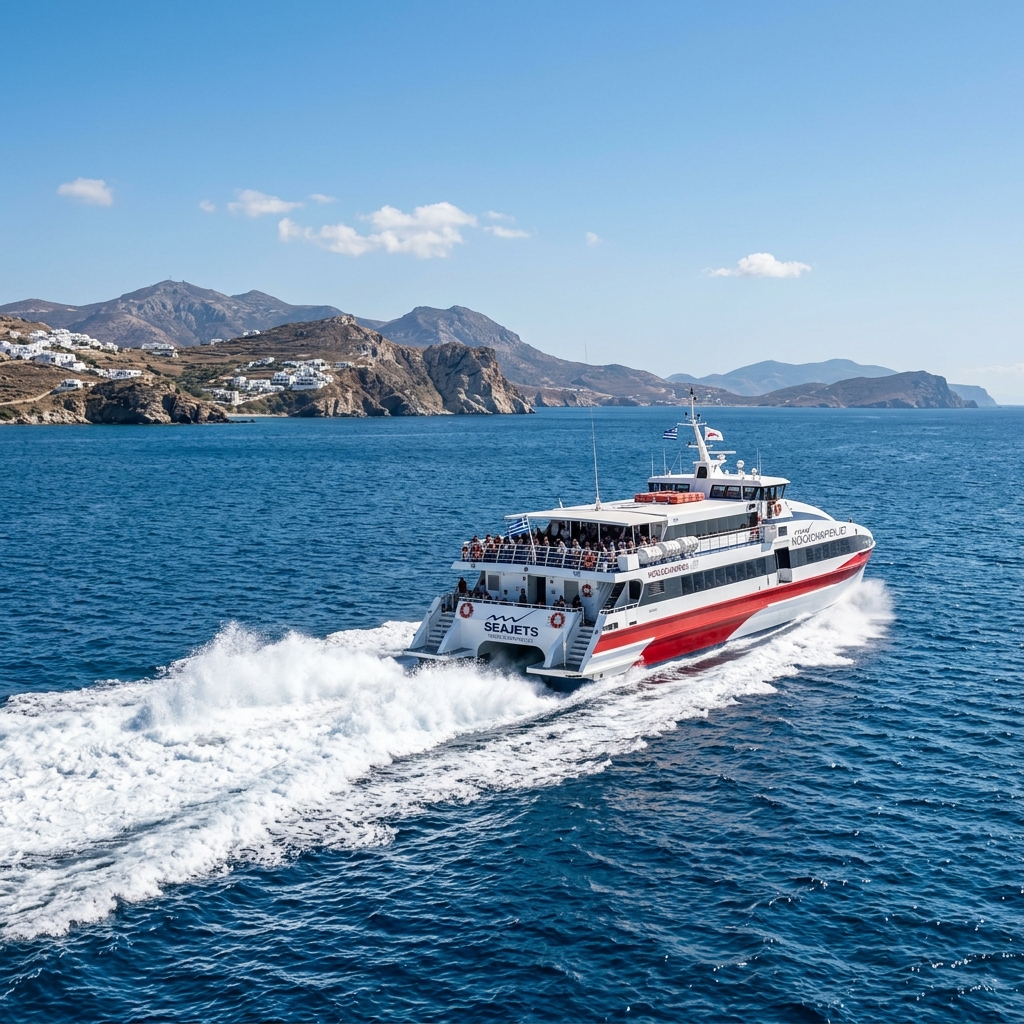
The ferry connection between Athens (Piraeus or Rafina) and Paros is the island's lifeline. In the height of summer, these boats are efficient and frequent. In the winter and late autumn, schedules are drastically reduced and subject to weather cancellations. Always check your ferry status a day before your departure using local apps or the port authority website.
Event Calendar
If you are traveling in August, try to align your trip with the Feast of the Virgin Mary on August 15th. It is one of the most important religious holidays in Greece, and the celebrations in Parikia are characterized by local music, traditional food, and a sense of community that is rare to witness as an outsider. Conversely, if you prefer quiet, avoid this week, as the island reaches maximum capacity.
What to Pack for Any Season
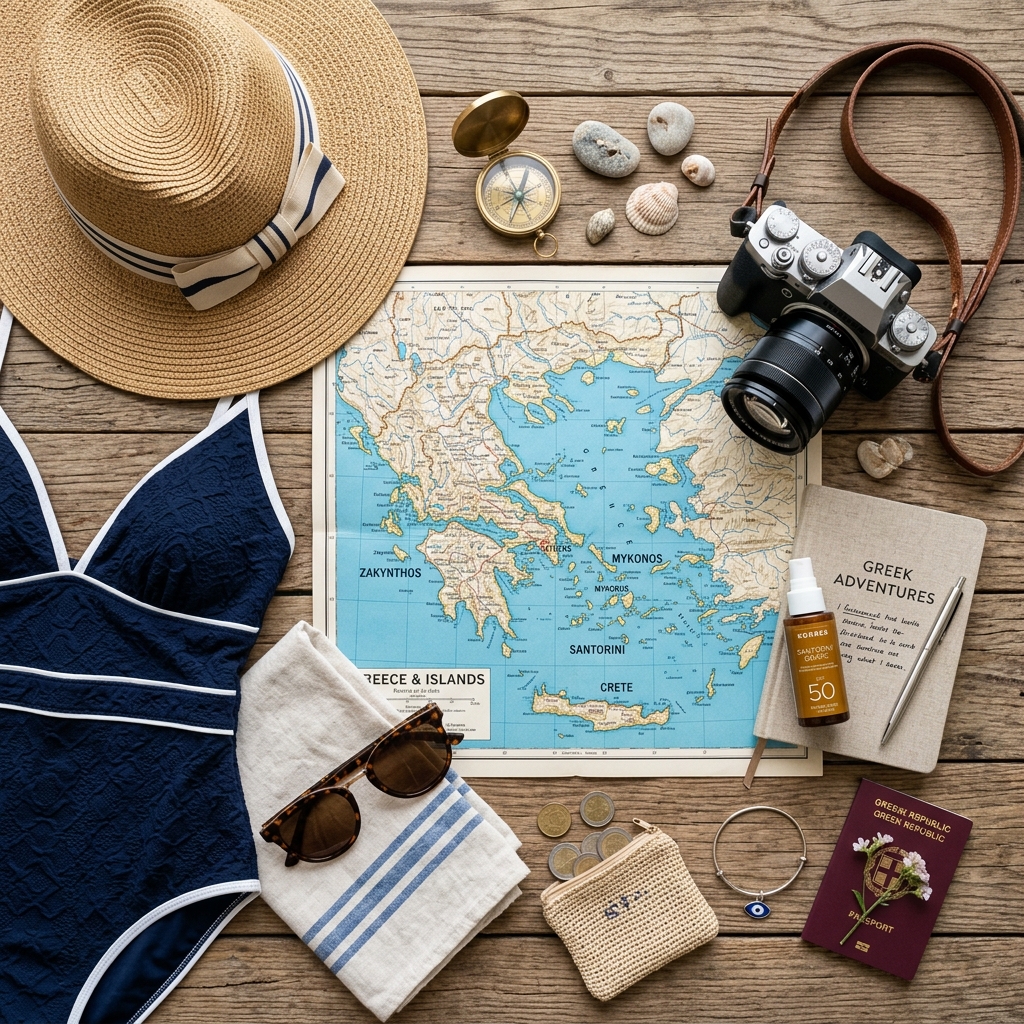
Regardless of when you visit, your footwear matters. The traditional stone floors in the villages are slippery and uneven. Leave the high heels at home; high-quality sandals with a rubber grip or lightweight walking shoes are the only footwear you will need. Additionally, the sun in the Cyclades is deceivingly strong, even when it feels cool. High-SPF sunscreen and polarized sunglasses are essential year-round.
The Verdict: When Should You Go?
If you are a first-time visitor wanting the full experience—open beach clubs, late-night cocktails in Naoussa, and swimmable Aegean waters—aim for the first two weeks of July. You will beat the peak of the August crowds but enjoy the full summer infrastructure.
If you value peace, lower prices, and a more intimate connection with the local culture, choose the second half of September. The island feels more like a home than a tourist destination, and the warmth of the locals, who have had a long summer season, is noticeably more relaxed.
Paros is more than just a transit hub for island-hopping; it is a destination that demands time to properly explore. Whether you find yourself trekking the ancient paths in the spring or dancing until dawn in the late summer, the island’s enduring charm lies in its ability to adapt to the rhythm of its visitors. By timing your visit carefully, you ensure that your experience is defined by the island’s beauty rather than the logistics of the crowd.
Remember that the beauty of Greek travel lies in the "siga-siga" (slowly-slowly) philosophy. Don't over-schedule your trip. Leave afternoons open for unplanned exploration, a long lunch under a grapevine trellis, or a nap during the heat of the day. Paros rewards those who aren't in a hurry.
Disclaimer: This article contains affiliate links. If you book or purchase through these links, we may earn a small commission at no extra cost to you. This helps support our travel guides.