Understanding the Geography of Paros
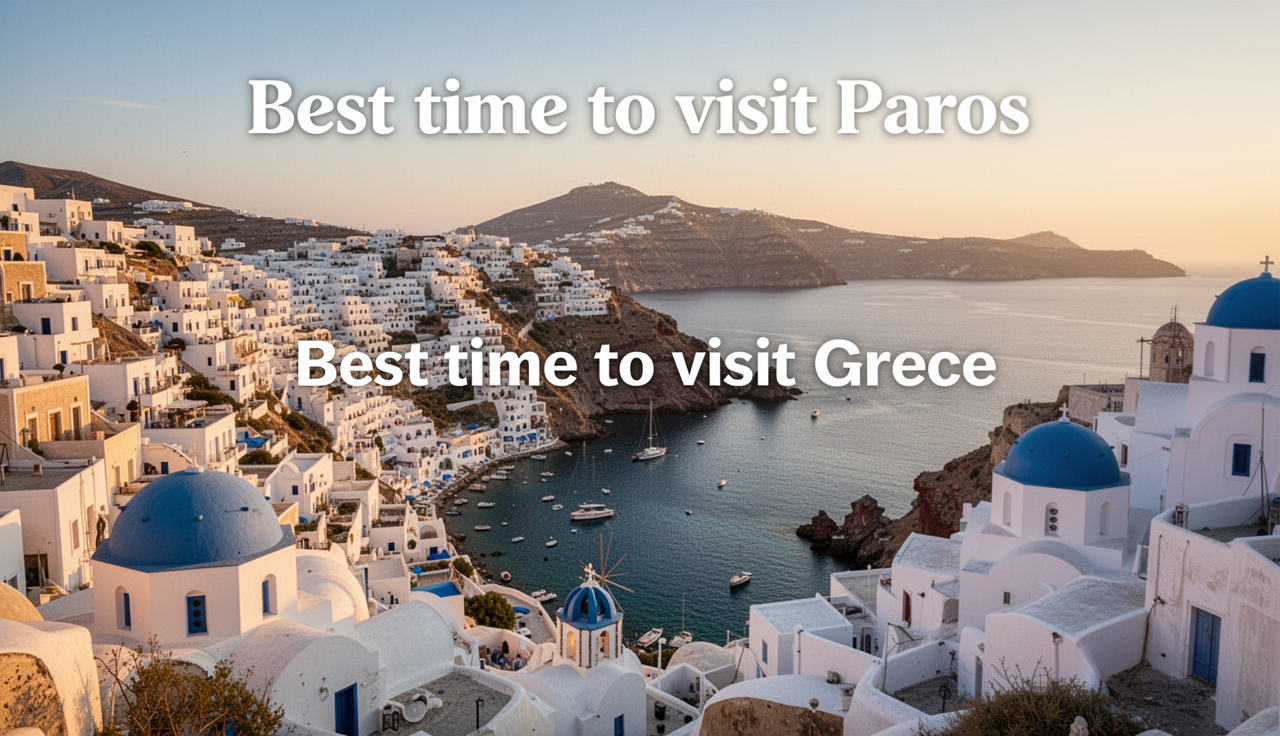
Paros is often described as the perfect middle ground of the Cyclades. It possesses the cosmopolitan energy of Mykonos and the rugged, volcanic authenticity of Milos, yet it maintains a distinct personality defined by marble quarries and rolling agricultural hills. When choosing where to stay on the island, your experience will vary significantly depending on which coastline you call home. The island is shaped somewhat like an irregular pear, with the port of Parikia on the west and the sophisticated village of Naoussa on the north serving as the two primary hubs.
For first-time visitors, the primary dilemma is deciding between the convenience of the main ports and the serenity of the southern fishing villages. Paros is not a massive island, and you can drive from one end to the other in about forty-five minutes, which means no location is truly isolated. However, your choice of base will dictate your daily rhythm—whether it involves sunset cocktails in a bustling harbor or quiet mornings at a secluded beach.
Parikia: The Heart of the Island
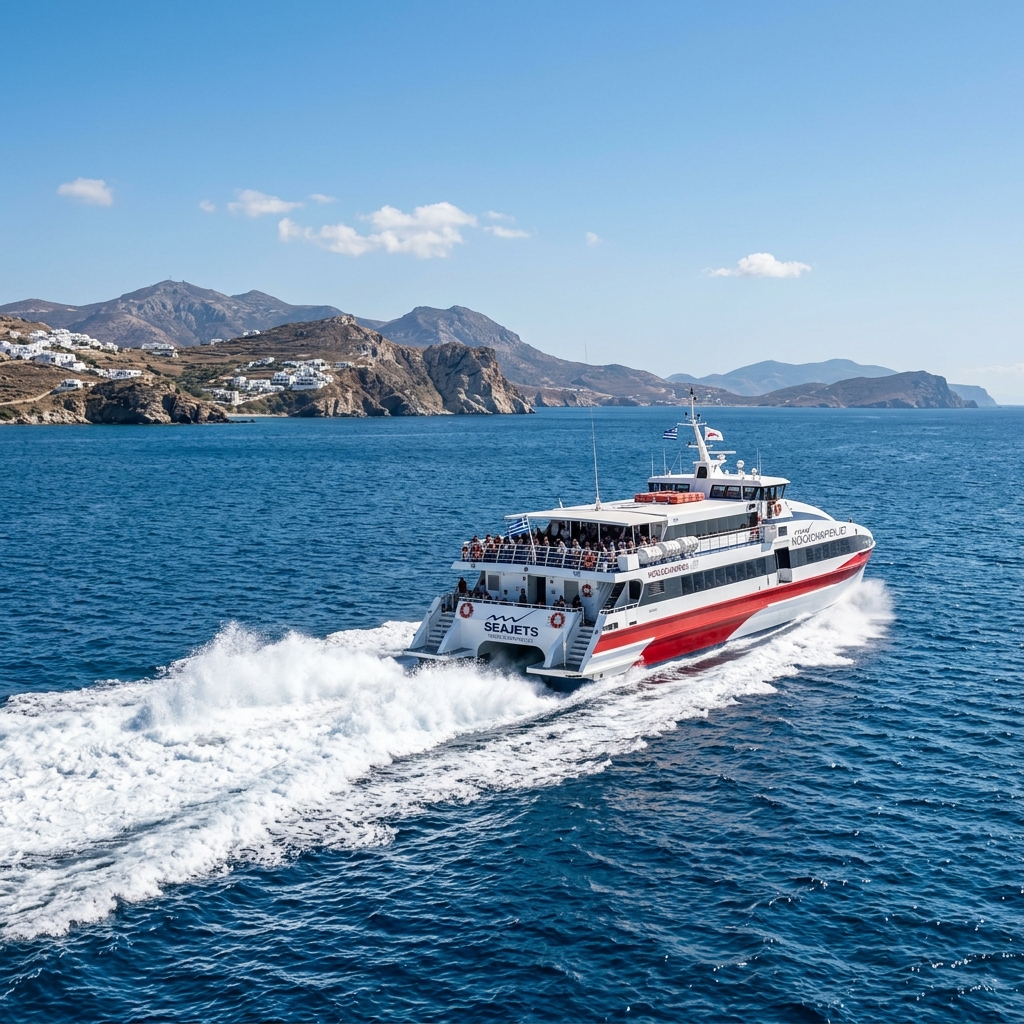
Parikia is the capital and the port where the ferries arrive. Many travelers overlook it as a place to stay, treating it merely as a transit point, but this is a mistake. Staying in Parikia puts you in the center of the local culture. The Old Town is a maze of whitewashed lanes, often featuring the traditional Cycladic architecture where the homes are painted with high-quality exterior finishes. Before heading out to explore the rocky coastlines, ensure you have the right gear to keep your belongings secure.
Waterproof dry bags for beach days
Recommended gear for your adventure


The main advantage of Parikia is its accessibility. You are minutes away from the island's primary bus terminal, which connects you to every major beach and village. The town itself has a beautiful seaside promenade lined with bars and restaurants that overlook the sunset. If you choose to stay here, look for boutique hotels located in the back alleys of the Kastro area. It is quieter, more authentic, and provides a reprieve from the foot traffic of the port front.
Naoussa: The Sophisticated North
Naoussa is the crown jewel of Paros. Once a quiet fishing village, it has transformed into one of the most stylish destinations in Greece. The harbor, filled with small wooden caique boats, is surrounded by world-class seafood restaurants and high-end cocktail bars. Staying here is for those who enjoy dressing up for dinner and participating in the island’s vibrant nightlife.
The narrow, flower-filled alleys of Naoussa are visually stunning, and the accommodation here tends to be more upscale. You will find converted traditional farmhouses and modern luxury suites with private plunge pools. The downside? During July and August, it is extremely crowded. If you stay in Naoussa, you are within walking distance of some of the best beaches on the island, such as Piperi, and a short water-taxi ride away from the famous Kolymbithres beach, known for its unique granite rock formations.
Lefkes: The Mountain Sanctuary
If the coastal crowds feel overwhelming, look toward the center of the island. Lefkes is the former capital of Paros, tucked away in the hills. It is the most picturesque village on the island, characterized by steep marble-paved streets, Byzantine architecture, and a profound sense of silence. Staying in Lefkes offers a completely different perspective; you are surrounded by olive groves and the scent of wild thyme rather than the salt air of the Aegean.
Lefkes is perfect for hikers and those who want to disconnect. The Byzantine Road, a stone-paved path that dates back to the 10th century, begins here and leads down toward the village of Prodromos and eventually to the sea. Accommodation in Lefkes usually consists of traditional stone houses that have been renovated with modern amenities. It is essential to have a rental car if you choose this location, as public transport is limited compared to the coastal towns.
Piso Livadi and Logaras: The Southeast Coast
The southeastern coast of Paros feels like a throwback to the Greece of thirty years ago. Piso Livadi is a small harbor town that has become a favorite among families and couples looking for a relaxed atmosphere. The fishing boats here still bring in the daily catch that ends up on your plate within hours. The vibe is slow, deliberate, and undeniably charming.
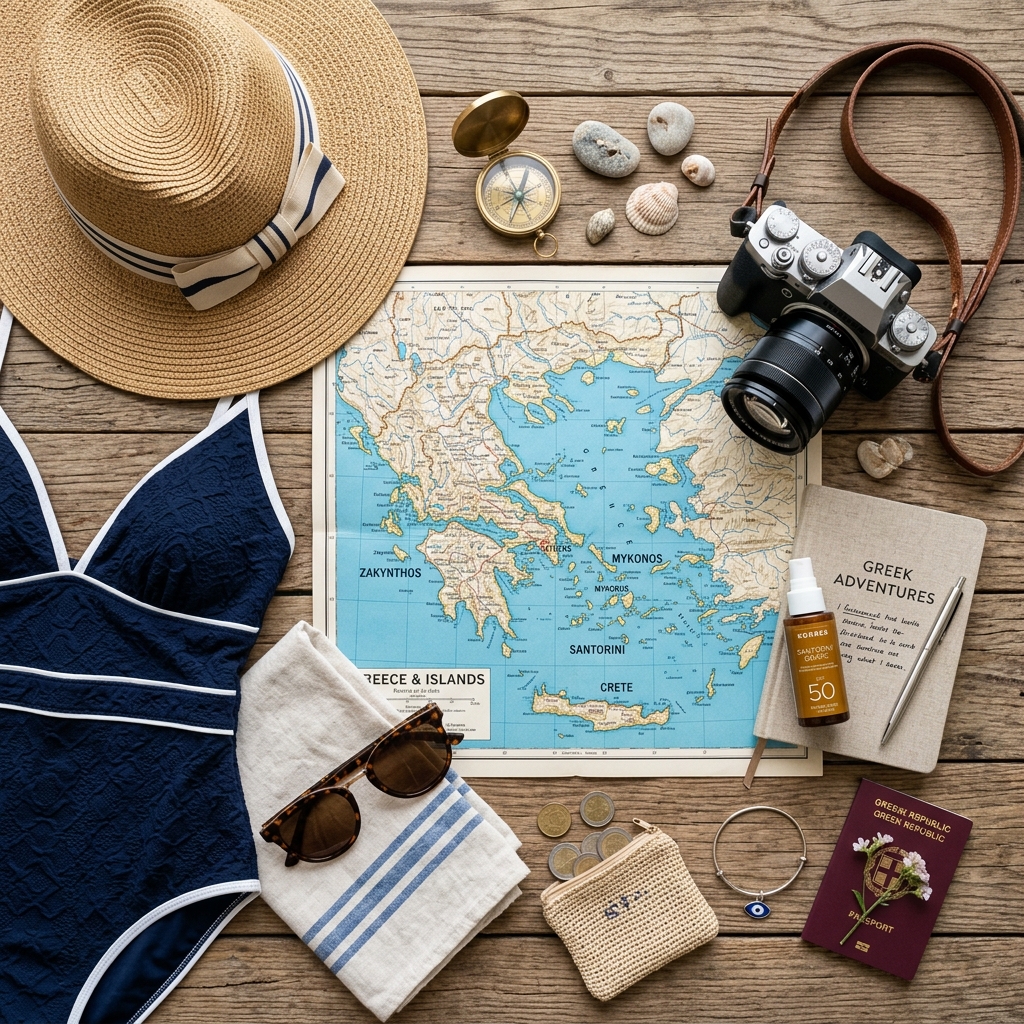
Nearby, the village of Logaras offers a long stretch of sandy beach that is protected from the northern winds (the Meltemi). This is an ideal area to base yourself if you want to be near the beach all day without the sensory overload of Naoussa. You can easily walk between the two villages, and the dining options are consistently excellent and reasonably priced. For those planning to spend long afternoons under the Mediterranean sun, make sure you are prepared for the intense island UV index.
High-SPF reef-safe sunscreen
Recommended gear for your adventure

Practical Tips for Your Paros Stay
- Transportation: Renting a car or an ATV is highly recommended. While the bus system is efficient, it will not get you to the hidden beaches or the interior mountain villages on your own schedule.
- The Meltemi Wind: During July and August, the strong northern Meltemi winds can make northern beaches rough. If the wind is blowing hard, drive to the southern coast—beaches like Faragas or Golden Beach will be much calmer.
- Booking in Advance: Paros has become one of the most popular islands in the Cyclades. Book your accommodation at least four to six months in advance if you are traveling between June and September.
- Cash is King: While most restaurants and shops accept cards, smaller tavernas in the interior villages often prefer cash. Always keep some Euros on hand.
The Best Time to Visit
The "shoulder season" is the secret weapon of the frequent Paros visitor. Late May, early June, and September offer the best balance. In these months, the weather is warm enough for swimming, but the crowds have thinned out, and prices for accommodation drop significantly compared to the August peak. If you visit in late September, the water is still warm from the summer sun, and the evening breeze is perfectly crisp.
Avoid the peak of August if you are looking for serenity. The island becomes extremely busy, and parking in Naoussa can become a significant challenge. However, if you crave energy and social connection, August is when Paros truly comes alive with festivals and events.
A Suggested Three-Day "Best of" Itinerary
Day 1: The North and the Rocks
Start your morning in Naoussa. Enjoy a coffee by the harbor before heading to Kolymbithres Beach. Spend the morning swimming among the moon-like granite rocks. In the afternoon, head to Monastiri beach for a hike up to the lighthouse. Finish the evening with a late dinner at one of the harborside tavernas in Naoussa.
Day 2: The Mountain and the Sea
Drive to the center of the island to visit Lefkes. Walk the Byzantine Road through the valley, enjoying the views of Naxos across the water. Continue down to the village of Prodromos for a light lunch under the bougainvillea. Spend your late afternoon at Golden Beach (Chrissi Akti) on the eastern coast, a paradise for windsurfers and sunbathers.
Day 3: History and Sunset
Head to Parikia to visit the Panagia Ekatontapiliani, the "Church of 100 Doors," one of the most important Byzantine monuments in Greece. Spend the afternoon shopping in the Parikia market. In the evening, take a boat trip to the small island of Antiparos, located just across the channel. Watch the sunset from the ferry before enjoying a final dinner in the vibrant town of Antiparos.
Conclusion
Paros is an island of balance. Whether you choose the bustling, stylish streets of Naoussa, the historical depth of Parikia, the mountain tranquility of Lefkes, or the laid-back seaside charm of Piso Livadi, you are choosing a destination that values quality of life. The island rewards those who take the time to explore beyond the main port, finding the hidden vineyards, the ancient marble quarries, and the secluded coves that define its true character. By picking a base that aligns with your personality, you ensure that your time on this Greek island is not just a vacation, but a genuine experience of Cycladic life.
Disclaimer: This article contains affiliate links. If you book or purchase through these links, we may earn a small commission at no extra cost to you. This helps support our travel guides.