Crete
Discovering Crete: The Soul of the Mediterranean
Crete is not merely an island; it is a world unto itself. As the largest of the Greek islands and the birthplace of the Minoan civilization, it possesses a gravity that draws travelers back time and again. Stretching across the southern Aegean, Crete functions as a bridge between Europe, Asia, and Africa. Its landscape shifts dramatically from the snow-dusted peaks of the White Mountains to the palm-fringed lagoons of the south, offering a diversity that keeps even the most seasoned explorers captivated.
For those seeking a travel experience defined by authenticity, Crete remains unparalleled. Unlike smaller, more tourist-centric islands, Crete maintains its own economy, its own rhythm, and a deeply entrenched cultural identity. Here, the hospitality—known locally as philoxenia—is a way of life, rooted in the mountainous villages where a glass of raki is a standard greeting regardless of the hour.
A Legacy Forged in Stone: The Historical Tapestry
The history of Crete is complex and layered. To walk through the island is to traverse millennia. The Minoans, often cited as Europe’s first advanced civilization, flourished here nearly 4,000 years ago. Their legacy is most visible at the Palace of Knossos, located just outside the modern capital of Heraklion. While restoration efforts remain a point of academic debate, the sheer scale of the labyrinthine complex, with its vibrant frescoes and advanced drainage systems, offers a glimpse into a society that was remarkably sophisticated for its time.
Beyond the Bronze Age, Crete became a strategic prize for successive empires. Romans, Byzantines, Venetians, and Ottomans have all left their mark. The Venetian influence is perhaps the most romanticized, clearly seen in the architecture of Chania and Rethymno. The narrow, winding alleys of these old towns, characterized by Italianate facades and Ottoman-era wooden balconies, create a distinct urban atmosphere that feels like a living museum.
The Spirit of Resistance
You cannot understand the Cretan people without acknowledging their history of struggle. The island’s path to modernity was paved with uprisings against foreign occupiers. This history has birthed a resilient, fiercely independent, and proud local culture. Whether it is in the defiant music played on the lyra or the uncompromising traditions of the mountain shepherds, you feel the weight of this heritage everywhere you go.
Navigating the Island: Regions and Top Sights
Because of its immense size, navigating Crete requires strategy. It is best to treat the island as four distinct provinces: Chania, Rethymno, Heraklion, and Lassithi.
- Chania (The West): Arguably the most beautiful region. The Venetian harbor is the crown jewel, flanked by a lighthouse and rows of vibrant seafood tavernas. Beyond the city, you find the Samaria Gorge, one of the longest canyons in Europe, and the iconic pink sands of Elafonisi Beach.
- Rethymno (The Center-West): Known for its seamless blend of medieval and Renaissance architecture. The Fortezza, a massive Venetian castle overlooking the sea, provides panoramic views that are breathtaking at sunset.
- Heraklion (The Center): The bustling, modern heart of the island. While the city itself is concrete-heavy, it serves as the essential gateway to Knossos and the archaeological museum, which houses the world’s most important collection of Minoan art.
- Lassithi (The East): A quieter, more rugged corner of the island. This is where you find the posh resorts of Elounda, the sunken city of Olous, and the historic spinalonga island, which once served as a leper colony.
To ensure you capture the best photographs of these diverse landscapes, you will want to keep your gear organized and protected against the Mediterranean sun and sand.
The Cretan Table: A Gastronomic Sanctuary
Cretan food is arguably the healthiest in the world. The "Cretan Diet," which predates the globally popular Mediterranean Diet, relies on the wild greens (horta) gathered from hillsides, legumes, high-quality olive oil, and snails. The simplicity is deceptive.
A typical meal should start with a plate of dakos—a toasted barley rusk topped with grated fresh tomato, soft mizithra cheese, a heavy pour of local olive oil, and wild oregano. For the main course, look for antikristo, a traditional method of roasting lamb over an open fire, which is a specialty of the mountain villages in the Sfakia region.
Of course, no meal is complete without tsikoudia (or raki). It is a potent grape-based spirit that is distilled in the autumn. Do not be surprised if it appears on the table before you have even asked for the bill—it is the universal Cretan sign of appreciation and hospitality.
Practical Tips for the Modern Explorer
Transportation: Do not rely on public buses if you intend to explore the interior. Renting a car is essential. Be aware that the main "National Road" running along the north coast is a two-lane highway where local driving habits can be aggressive. Always stay to the right, and expect the unexpected.
Timing Your Visit: Avoid the crowds of July and August if possible. The heat can be stifling, and the primary sights become overcrowded. The sweet spot is mid-May to early June, or September through mid-October. The sea remains warm, the landscape is vibrant, and the prices are significantly lower.
Respecting the Mountains: When visiting the interior villages, remember that you are a guest. Dress modestly when visiting churches, and always ask before photographing locals—particularly the elderly men in traditional black shirts and headscarves, who may be sensitive about their privacy.
A Suggested 7-Day Itinerary
Day 1-2: Chania and the West
Arrive in Chania. Spend your first day walking the old harbor and exploring the maritime museum. On day two, drive south to Elafonisi or Falassarna for a beach day. Spend your evenings eating at the hidden tavernas in the Splantzia neighborhood.
Day 3-4: The Mountains and Rethymno
Head inland towards the White Mountains (Lefka Ori). Stop in the village of Vamos to experience traditional crafts. Continue to Rethymno, spend a night in the old town, and hike the Fortezza. If you are fit, use the morning of day four to trek through the Imbros Gorge, a shorter and more accessible alternative to Samaria.
Day 5: Heraklion and History
Travel east to Heraklion. Visit the Archaeological Museum first, then spend the late afternoon at the Palace of Knossos once the tour buses have departed. In the evening, explore the vibrant pedestrian streets of Heraklion’s city center.
Day 6-7: The Lassithi Plateau and the East
Drive into the Lassithi Plateau, a high-altitude basin filled with windmills and traditional agriculture. Continue to the coast at Agios Nikolaos. Finish your trip with a boat trip to Spinalonga, reflecting on the island’s layered history, before flying out of Heraklion or Sitia.
Final Thoughts: Why Crete Lingers
Crete is not a place you visit to "tick off boxes." It is a place that demands time. You will find that the most memorable moments are not the museums or the famous beaches, but the unplanned stops at a roadside cafe, the conversation with a shopkeeper who tells you about his grandfather’s orchard, or the quiet solitude of a mountain path at dawn.
This island rewards the curious. It demands that you slow your pace and align your schedule with the movement of the sun. Whether you are seeking the thrill of a canyon hike, the depth of ancient history, or simply the best meal of your life, Crete holds it all. It is a destination that feels ancient yet perpetually alive, a cornerstone of Greek culture that remains beautifully, stubbornly itself.
When preparing for your Cretan adventure, remember that the island's terrain varies from high-altitude gravel paths to slick coastal rocks. Ensure you have the appropriate footwear to handle both, as the best viewpoints are rarely accessible by sandals alone.
Frequently Asked Questions
Is it safe to drive in Crete?
Yes, but it requires confidence. Roads in the mountains are narrow and winding with no guardrails. Stick to the main roads if you are an inexperienced driver, and always carry a physical map or an offline digital copy, as cellular service can be spotty in the remote gorges.
Do I need to speak Greek?
In tourist areas, English is spoken fluently. However, learning a few basic phrases—Kalimera (Good morning), Efcharisto (Thank you), and Yamas (Cheers)—will earn you immense respect from the locals. Cretans appreciate the effort to engage with their language.
What should I pack?
Pack light. Linen clothing is standard due to the heat. If you visit in the shoulder season, bring a light windbreaker for the mountains, where the temperature can drop significantly even when the coast remains warm. Most importantly, bring comfortable, sturdy shoes for the inevitable walking that comes with exploring medieval town centers and rocky beaches.
Crete offers a unique opportunity to reconnect with the rhythms of a life lived in harmony with the land. From the jagged coastlines to the rich, fertile valleys, it remains one of the few places in the Mediterranean that feels genuinely untarnished by the rapid pace of the modern world. Take your time, enjoy the raki, and listen to the stories the stone walls are waiting to tell you.
Disclaimer: This guide contains affiliate links. If you book or purchase through these links, we may earn a small commission at no extra cost to you. This helps support our travel guides.
Essential Guides
Latest Articles About Crete
Is Crete expensive?
Planning a trip to Greece? Find out if Crete is expensive, with a breakdown of costs for accommodation, food, transport, and tips for traveling on a budget.
Where to stay in Crete
Planning a trip to Crete? Discover the best places to stay in Crete, from vibrant cities like Chania and Heraklion to charming beach resorts and quiet mountain villages.
Best time to visit Crete
Planning a trip to Greece? Discover the best time to visit Crete, from the peak summer sun to the mild spring and autumn shoulder seasons for sightseeing and hiking.
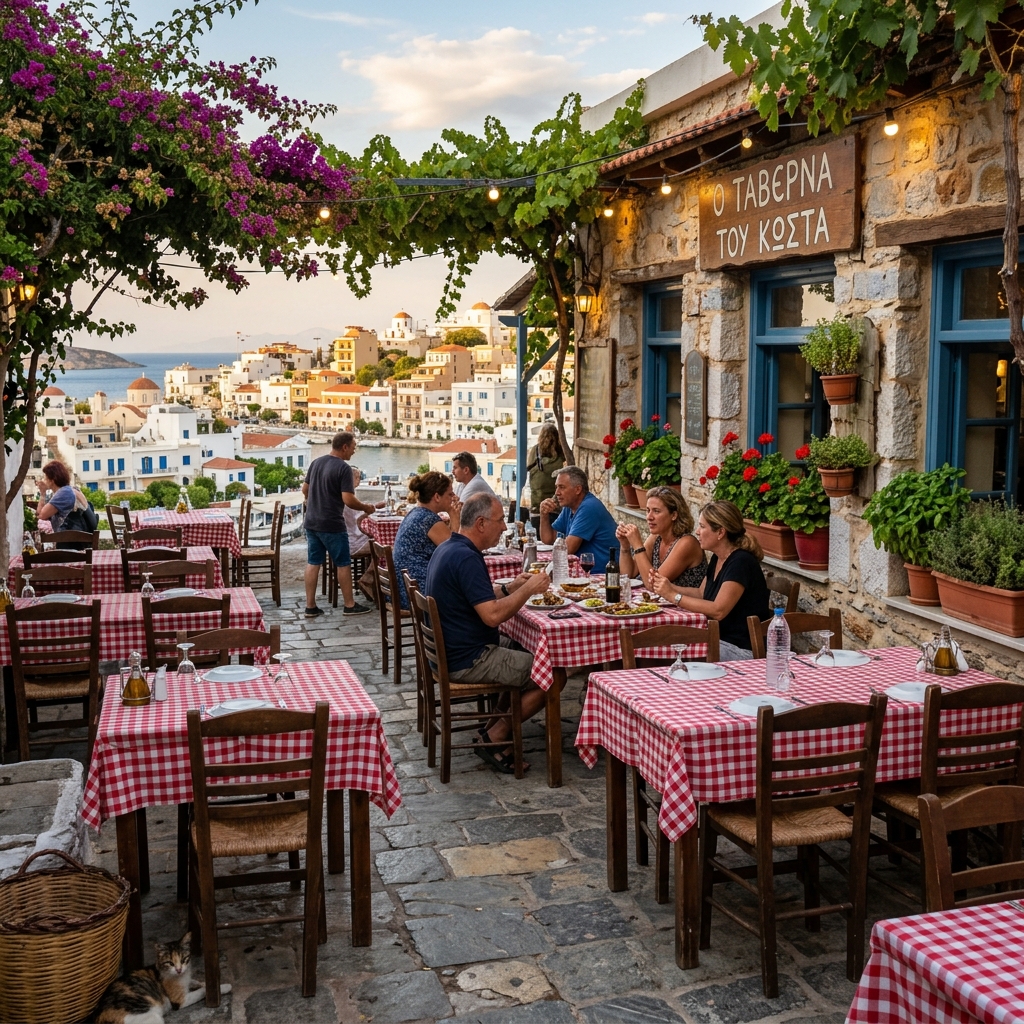
Crete on a Budget: How to Experience Greece’s Biggest Island Without Going Broke
Forget the overpriced tourist traps. Here is how to travel Crete on a budget, find authentic food, and navigate the island like a local without overspending.