Understanding the Cost of Crete: A Realistic Breakdown
Crete, the largest island in Greece, presents a curious case for the budget-conscious traveler. Because of its sheer size and variety, it defies a single pricing category. You can spend a weekend living like royalty in a five-star villa in Elounda, or you can traverse the rugged mountains of the south while spending less than a modest hotel stay in London or New York. The answer to whether Crete is expensive depends entirely on your travel philosophy, your choice of base, and your ability to look past the tourist traps.
For most travelers, Crete offers an incredible value-to-experience ratio. Unlike the hyper-inflated prices of Santorini or Mykonos, Crete remains grounded in a local economy that caters to residents as much as visitors. This means you aren’t paying a "tourist tax" on every glass of wine or bowl of dakos.
Daily Budget Tiers
To give you a better sense of reality, let’s look at daily expenditure per person, excluding flights. These figures assume you are sharing accommodation costs.
- The Bare-Bones Budget (40€ – 60€ per day): This involves staying in hostels or basic local guesthouses, relying on public KTEL buses rather than renting a car, and eating street food—think abundant gyros, spanakopita, and supermarket supplies for breakfast.
- The Balanced Traveler (90€ – 130€ per day): This is the sweet spot for most visitors. It allows for a mid-range hotel or Airbnb with a sea view, a rental car for total freedom, and a mix of casual taverna dinners and a few "splurge" meals featuring fresh local seafood.
- The Luxury Experience (250€+ per day): If your goal is high-end boutique resorts, private boat excursions to hidden coves, and fine dining at restaurants with extensive wine cellars, the sky is the limit.
One essential item to manage your expenses is keeping your gear organized, especially if you are hopping between different regions of the island.
Travel Packing Cubes
Recommended gear for your adventure


The Cost of Getting Around
Transportation is often the hidden budget-killer in Crete. Public transport via the KTEL bus system is remarkably affordable and reliable for moving between major cities like Chania, Rethymno, and Heraklion. However, the true beauty of Crete lies in its remote beaches and mountain villages, which are difficult to reach without a vehicle.
Renting a car is essential for an immersive experience. During peak season (July and August), prices can spike significantly. Booking at least three months in advance can save you hundreds of euros. Avoid renting from the airport kiosks if you arrive in high season; instead, look for local agencies in the towns. They are often more flexible and provide more transparent insurance packages.
Dining: Eating Like a Local
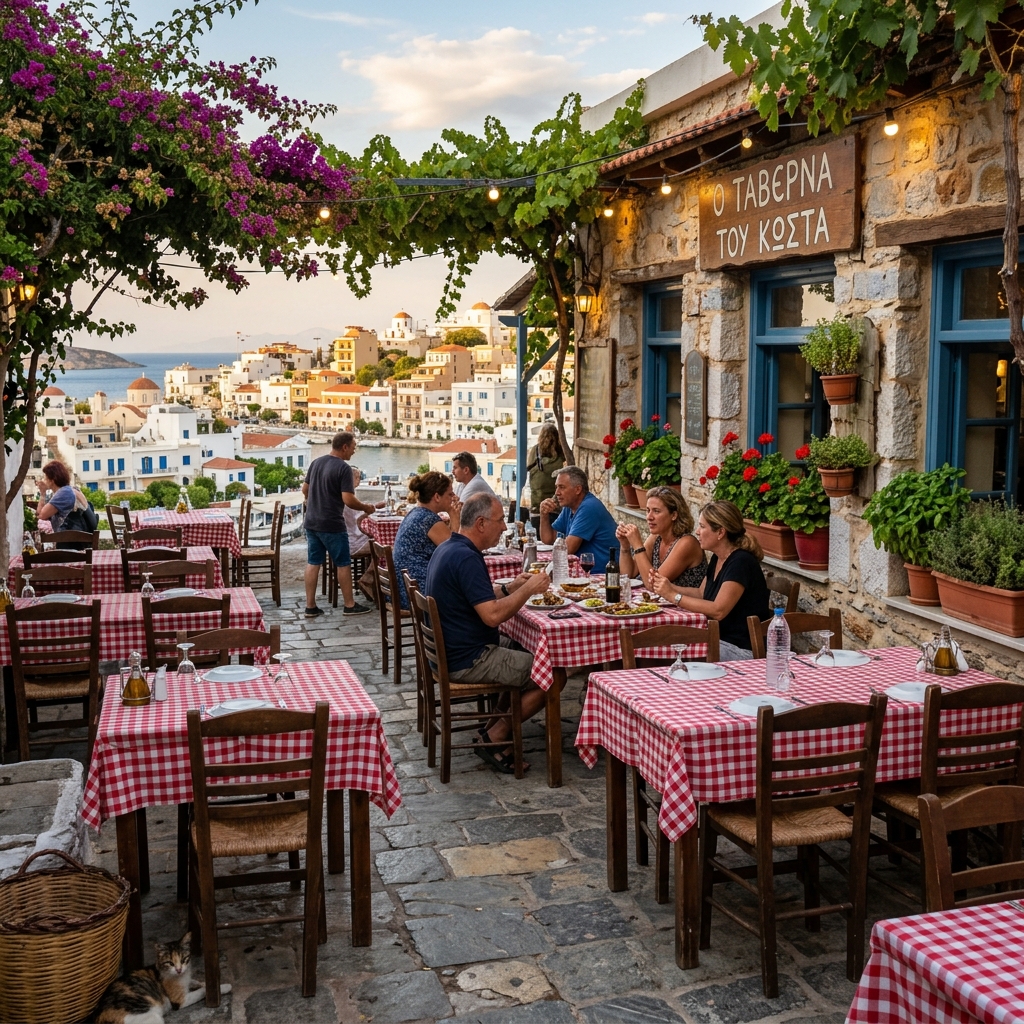
Food is one of the areas where you can save the most money. Greek taverna culture is inherently communal and value-driven. A typical tavern meal for two, including house wine, bread, and a mountain of fresh salad and grilled meat, will rarely exceed 40€ to 50€ total.
Avoid the restaurants situated directly on the main harbors of Chania or Rethymno, where "menu hawkers" try to pull you inside. Walk three blocks inland. The quality will be higher, the recipes more authentic, and the prices will be at least 30% lower. House wine is almost always excellent in Crete, so stick to the carafe rather than branded bottles to keep the bill manageable.
Accommodation Strategy
Crete is not a monolith; prices vary wildly by region. The Chania region, with its famous Old Town, is typically the most expensive area due to its high demand. If you travel slightly east of Chania or head to the southern coast—places like Paleochora or Plakias—you will find the same turquoise waters for a fraction of the nightly rate.
If you plan on doing a lot of walking or hiking through the famous gorges, make sure you have the right footwear. Buying high-quality gear before you leave is often cheaper than finding a specialty shop in the middle of an island village.
Hiking Footwear
Recommended gear for your adventure

The Best Time to Visit for Value
If your budget is a primary concern, the shoulder seasons are your best friend. May, June, September, and October offer the perfect climate: warm enough for swimming, but without the suffocating heat and exorbitant prices of August.
In May, the island is lush and green, and accommodation prices are often 40% lower than during the peak of summer. In October, the sea is still warm from the summer sun, and taverna owners are often more relaxed and willing to offer extra treats or house rakí on the house, as the frantic pace of the summer high season begins to wind down.
Suggested 10-Day "Value-First" Itinerary
This itinerary minimizes transit costs while maximizing the diversity of the landscape.
Days 1–3: Chania and the West
Base yourself in a guesthouse just outside the Venetian Harbor. Spend your days exploring the narrow streets, and use your rental car to hit the beaches of Balos and Falassarna early in the morning before the bus tours arrive.
Days 4–6: The South Coast
Drive south to Paleochora. This is the heart of slow travel in Crete. The vibe is laid back, the accommodation is affordable, and you can take a ferry to Loutro or Agia Roumeli. These small villages are car-free and offer some of the best budget-friendly seafood in the Mediterranean.
Days 7–8: Rethymno and the Mountains
Head to Rethymno for a blend of history and beach access. Spend one full day driving into the Amari Valley, a lush inland region that sees very few tourists. You’ll find tiny, authentic mountain villages where a coffee costs 1.50€ and the views are priceless.
Days 9–10: Heraklion and Departure
Finish your trip in the capital. While Heraklion is often seen as just a transit hub, it has a sophisticated culinary scene. Spend your final day visiting the Archaeological Museum—arguably the best in Greece—and enjoy a final, upscale dinner in the city center before catching your flight.
Hidden Costs to Watch For
While the island is generally affordable, there are a few "traps" that can add up:
- Sunbed Rentals: At popular beaches like Elafonisi, renting an umbrella and two chairs can cost between 15€ and 30€ per day. Bring your own travel umbrella and a towel to save this cost entirely.
- Entrance Fees: Sites like the Palace of Knossos have tiered pricing. Look for combined tickets that cover multiple archaeological sites if you plan on doing a history-heavy tour.
- Tolls and Parking: While there are no highway tolls in Crete, city parking in Chania or Heraklion is notoriously difficult and can be expensive. Always look for "Public Parking" signs rather than private lots to save 5–10€ per day.
Final Thoughts: Is it Worth It?
Crete is worth every cent, provided you aren't trying to replicate a resort experience that could be had anywhere else in the world. The value here isn't just about the low cost of a gyros or a beer; it’s about the accessibility of world-class beaches, ancient history, and rugged mountain landscapes that remain open to anyone with a car and a sense of curiosity.
If you are worried about the cost, strip away the frills. Crete doesn't require five-star service to be enjoyed. The true luxury of the island is found in a quiet corner of a village square, watching the sun set over the Libyan Sea with a glass of local wine in hand. That experience is free, and it is something no amount of money can buy elsewhere.
Disclaimer: This article contains affiliate links. If you book or purchase through these links, we may earn a small commission at no extra cost to you. This helps support our travel guides.