The Diverse Landscape of Cretan Accommodation
Crete is not just an island; it is a sprawling Mediterranean microcosm. Stretching over 260 kilometers from east to west, it possesses a geography so varied that choosing where to stay requires a deliberate strategy. Whether you are chasing the bohemian rhythms of the south coast, the high-octane nightlife of the north, or the rugged isolation of the White Mountains, your choice of base will define your entire experience. Because the island is enormous, the biggest mistake travelers make is attempting to see everything from a single hotel. To truly appreciate the Cretan soul, you must understand the distinct personality of its four primary regions: Chania, Rethymno, Heraklion, and Lassithi.
Chania: The Venetian Jewel
Chania is arguably the most atmospheric city in Greece. The old town, a labyrinthine web of Venetian, Ottoman, and neoclassical architecture, revolves around a 14th-century harbor. Staying here feels like living inside an open-air museum. If you prefer to be at the center of the action, look for boutique hotels located within the pedestrianized streets of the Topanas or Splantzia quarters.
However, Chania also serves as the gateway to the world-famous beaches of the west, such as Elafonisi and Balos. If your priority is beach hopping, you might consider staying slightly outside the city limits toward the Kissamos region. This offers a quieter experience and puts you closer to the dramatic cliffs of the western coast. For those spending long days on the sand, it is essential to be prepared for the strong Mediterranean sun.
Premium UV-Protection Beach Umbrella
Recommended gear for your adventure

Portable Heavy Duty Beach Umbrella Windproof - Premium Choice

Top Rated Portable Gear

Professional Portable Heavy Duty Beach Umbrella Windproof

Compact Portable Heavy Duty Beach Umbrella Windproof (Travel Size)
Recommended for:
- Couples seeking romantic, historic charm.
- Travelers prioritizing world-class beaches.
- Foodies who want access to high-end Cretan gastronomy.
Rethymno: The Cultural Middle Ground
Nestled between the rugged peaks of Mount Psiloritis and the northern sea, Rethymno offers a more laid-back pace compared to Chania. The city is defined by the Fortezza, a massive citadel that looms over the harbor, and its long, sandy beach that stretches east for kilometers. This is an ideal location if you want to explore the island’s mountainous interior while still enjoying the convenience of a bustling urban center.
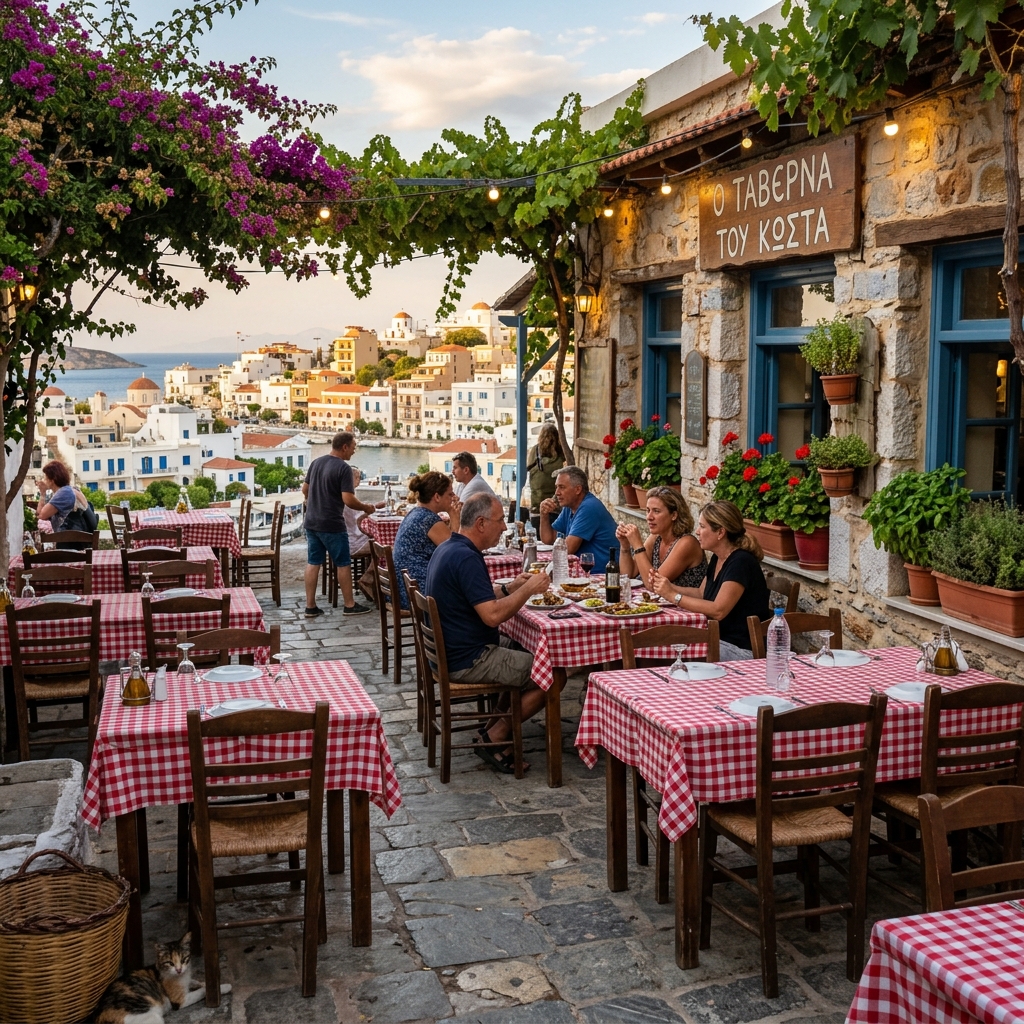
The hotel scene in Rethymno is a mix of restored Ottoman mansions in the old town and sprawling, family-friendly resorts on the coast. If you choose an old-town hotel, be prepared for narrow, winding streets where taxis cannot reach your doorstep. If you opt for a beach resort, you gain access to all-inclusive amenities and direct sea access, though you will be a short drive away from the historic tavernas.
Heraklion: The Gateway to Antiquity
Heraklion is often misunderstood. Many travelers treat it as a transit hub, skipping it in favor of the more picturesque western towns. Yet, for the history enthusiast, it is the most critical base on the island. It is home to the Palace of Knossos, the Archaeological Museum, and a vibrant street-market culture that feels authentically Greek rather than geared toward tourists.
The city center is lively and cosmopolitan. Staying here allows you to immerse yourself in the daily life of modern Cretans. The surrounding region of Heraklion is also the heart of Crete’s thriving wine industry. Staying at a winery estate in the nearby village of Archanes provides a pastoral alternative to the city noise, allowing you to wake up among the vineyards.
Lassithi: Luxury and Seclusion
The eastern part of the island, Lassithi, is the land of contrast. You have the upscale resort town of Elounda, famous for its five-star luxury hotels and private beaches, and the more rugged, adventurous vibes of Sitia and Ierapetra in the deep east. If your vacation goal is to escape the crowds, head to the far reaches of the east coast near Vai Beach, where the landscape transitions into desert-like terrain and palm forests.
This region is also perfect for those who enjoy hiking. The gorge trails and coastal paths here are less traveled than the Samaria Gorge in the west. When packing for these longer expeditions, reliable footwear is non-negotiable.
Professional Grade Hiking Boots
Recommended gear for your adventure

Waterproof Breathable Hiking Boots Men Women - Premium Choice
Top Rated Waterproof Gear
Professional Waterproof Breathable Hiking Boots Men Women
Compact Waterproof Breathable Hiking Boots Men Women (Travel Size)
Key Areas for Luxury Seekers:
- Elounda: The center of Greek high-end hospitality.
- Agios Nikolaos: A charming lakeside town with a sophisticated nightlife scene.
- Sitia: Ideal for a slower, more authentic Cretan experience.
Practical Tips for Your Cretan Stay
Transportation: Renting a car is almost mandatory unless you plan to stay exclusively within one city. The public bus system (KTEL) is reliable between major towns, but it will not help you reach the hidden coves or the mountain villages where the best food is found.
When to Visit: The shoulder seasons—May, June, and September—are the absolute best times to visit. You get the warmth of the sun without the suffocating heat of July and August. In October, the water is still warm, and the summer crowds have vanished, making it the perfect time for a budget-conscious luxury trip.
Sustainability: Crete is suffering from over-tourism in specific zones. Try to book smaller, family-owned "agrotourismos" or traditional guesthouses. These stay options keep your tourist dollars within the local economy and provide a much warmer, more personalized welcome than large, international chains.
A Suggested 10-Day "Best of Crete" Itinerary
If you are visiting for the first time, don't try to cram too much in. A balanced itinerary should look something like this:
Days 1-4: The West (Chania)
Base yourself in the old town. Dedicate one full day to Chania city, one day to Balos Lagoon, one day to the hike down Samaria Gorge, and one day to the pink sands of Elafonisi. Ensure you have a rental car to navigate these distances, as each location requires significant driving time.
Days 5-7: The Middle (Rethymno & Amari Valley)
Shift your base to Rethymno. Spend your time wandering the old town at night and use your days to drive into the Amari Valley, a lush, mountainous region that feels untouched by modern tourism. This is the heart of traditional Cretan cooking, featuring olive oil, wild greens, and mountain honey.
Days 8-10: The East/Center (Heraklion)
Finish your trip in the Heraklion area. Visit Knossos early in the morning to beat the cruise ship crowds. Spend your final days visiting the local wineries in the Peza region and enjoy the evening atmosphere in the city’s lively cafes, which serve as the social hubs for the local university students and families.
Final Considerations
The secret to enjoying Crete is to accept that you cannot see it all. The island demands that you slow down. Whether you choose the high-gloss luxury of Elounda or the weathered, stone-walled charm of an apartment in Chania’s old harbor, the hospitality remains the same. Cretans are fiercely proud of their land, and they are incredibly welcoming to travelers who show a genuine interest in their traditions, their food, and their history. Pick a base that aligns with your personality, rent a sturdy vehicle, and give yourself the time to get lost on the mountain roads. That is where you will find the real Crete.
Disclaimer: This article contains affiliate links. If you book or purchase through these links, we may earn a small commission at no extra cost to you. This helps support our travel guides.