The Climate and Seasonal Rhythm of Crete
Crete is the largest of the Greek islands, and its size alone dictates that you cannot treat it like a typical Aegean destination. Spanning over 8,000 square kilometers, the island boasts high mountain ranges, deep gorges, and two distinct climatic zones: the Mediterranean and the North African. Because of this, the "best" time to visit depends entirely on what you want to do, whether that is hiking the Samaria Gorge, lounging on the pink sands of Elafonisi, or exploring the Venetian harbors of Chania without the suffocating heat of August.
Most travelers aim for the shoulder seasons, specifically May, June, September, and October. During these months, the island is alive with vibrant flora, the sea is warm enough for swimming, and the crushing crowds of the peak summer months have either not yet arrived or have already dissipated. If you are planning to spend long days outdoors, these months offer the perfect equilibrium between comfortable temperatures and Mediterranean sunshine.
Spring: The Season of Renewal (April to May)
Visiting Crete in the spring feels like a private discovery. The island is at its most verdant, with wild thyme, poppies, and sage covering the hillsides. The snow-capped White Mountains, or Lefka Ori, serve as a breathtaking backdrop against the turquoise Libyan Sea.
Why visit in spring?
- Mild Hiking Weather: Temperatures rarely climb above 25°C (77°F), making treks through the Imbros or Samaria Gorges achievable without the risk of heat exhaustion.
- Authentic Experiences: You will see local farmers tending to olive groves and vineyards, providing a glimpse into the agricultural soul of the island.
- Orthodox Easter: If your travel dates align with the Greek Orthodox calendar, you will witness the most significant cultural event of the year, characterized by midnight candlelight processions, firework displays, and traditional feasts.
Pack for variety during this time. The evenings remain cool, especially in the interior or at higher altitudes, so bringing a reliable windbreaker is essential for those coastal walks.
Lightweight Waterproof Jacket
Recommended gear for your adventure


Summer: The High Energy Peak (June to August)
July and August are the months of "meltemi" winds and long, sun-drenched days. This is when Crete is fully operational. Beach clubs in Rethymno are buzzing, the restaurants in Heraklion are busy until late in the evening, and the water is perfectly warm. While these months are undoubtedly the most popular, they also come with challenges.
Navigating the heat
The heat can be intense, frequently exceeding 35°C (95°F). If you visit during this window, prioritize beach-side relaxation during the midday hours and save your explorations of Knossos or the Archaeological Museum for the early morning. It is also the busiest time for cruise ship traffic in Heraklion, so consider basing yourself in the quieter villages of the Apokoronas region if you want to escape the hustle.
Autumn: The Golden Glow (September to October)
For many seasoned travelers, September and October are the definitive best times to visit Crete. The heat has softened into a gentle warmth, the sea is at its warmest after a long summer of sun, and the autumn harvest is beginning. It is a time of incredible culinary indulgence, as the local tavernas begin preparing dishes based on fresh grapes, pomegranates, and the earliest pressings of the olive oil season.
- Lower Prices: Accommodation rates begin to drop, allowing you to secure luxury villas for a fraction of the cost you would pay in July.
- The Sea: The Mediterranean remains warm well into late October, allowing for comfortable swimming and water sports without the fierce sun.
- Wine Culture: Visit the Peza region near Heraklion during the harvest season for authentic vineyard tours and wine tastings.
Because the sun can still be quite strong in September, high-quality eye protection is a must for the reflecting white sands of Balos Lagoon.
Polarized Sunglasses
Recommended gear for your adventure

Winter: The Hidden Face of Crete (November to March)
Winter in Crete is an entirely different affair. It is not a beach destination in January, but it is a fascinating cultural one. The island becomes quiet, the tourism infrastructure shifts to accommodate local life, and you will have the archaeological sites almost entirely to yourself.
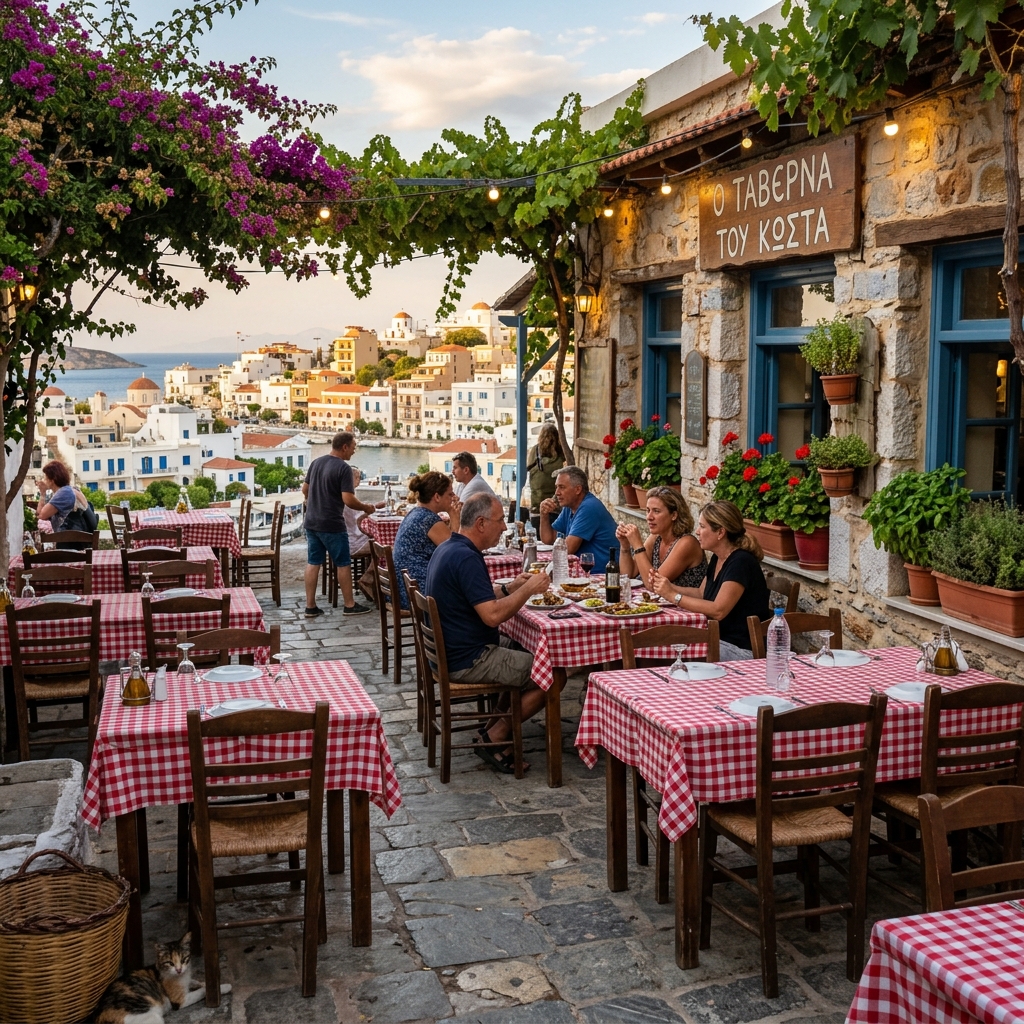
You can expect rain and occasional snow in the mountains, but the coastal areas often enjoy crisp, sunny days that are perfect for urban exploration. This is the time to visit the cities of Chania and Rethymno, wander the Venetian alleyways, and enjoy long, slow lunches in quiet tavernas where the owners have the time to talk to you about the history of their craft.
A Suggested 10-Day Itinerary for the Optimal Season (September)
To truly understand the rhythm of Crete, a 10-day loop starting and ending in Heraklion is ideal.
Days 1-3: The West (Chania and Beyond)
Focus on Chania, the most beautiful city on the island. Use it as your base to reach Balos and Elafonisi. Spend your mornings at the beach and your evenings wandering the Old Harbor, tasting local cheeses like graviera and myzithra.
Days 4-6: The Mountain Soul (Sfakia and the South)
Move south to the Libyan Sea. This area feels rugged and remote. Explore the village of Loutro, which is accessible only by boat or foot, and hike a section of the E4 trail for dramatic cliff-side views.
Days 7-8: The Plateau and the Interior
Head toward the Lassithi Plateau. This high-altitude farming region is dotted with old windmills and traditional pottery workshops. It offers a cooler retreat from the coast and some of the best traditional food you will find anywhere in Greece.
Days 9-10: History and Departure (Heraklion)
Conclude your trip in the capital. Spend your final day at the Palace of Knossos, arriving early to avoid the crowds, and finish your trip at the Archaeological Museum of Heraklion, which holds the finest collection of Minoan artifacts in the world.
Practical Tips for a Seamless Visit
Regardless of when you visit, there are certain pillars to planning a successful trip to Crete. First, renting a car is non-negotiable. Public transport exists, but it will severely limit your ability to reach the hidden gems that make Crete special. Ensure you rent a vehicle with enough power to navigate the mountain roads; the terrain is steep and winding.
Second, learn the concept of philoxenia. It is the Greek tradition of hospitality, and it is alive and well in Crete. If a local offers you a glass of raki—the potent local grape brandy—at the end of a meal, it is a gesture of welcome. Accepting it is a sign of respect, even if you only take a small sip.
Finally, keep in mind that Crete is a place of massive geographical diversity. The temperature at the top of Mount Ida can be 15 degrees cooler than the temperature at Matala Beach on the same day. Always carry layers, especially if you plan on transitioning between the coast and the inland villages.
Final Thoughts on Choosing Your Dates
If you are looking for the sweet spot, aim for the third week of September. You will benefit from the tail-end of the summer warmth, the start of the autumn harvest, and a significant decrease in the cost of flights and accommodation. Crete is an island that demands time; it is not meant to be "ticked off" in a weekend. By choosing a window that allows you to slow down and move with the pace of the locals, you will find that the island reveals itself in ways that a short, peak-season visit never could.
Whether you find yourself trekking through a gorge in the spring mist, diving into the clear waters of the south coast in October, or sitting in a quiet cafe in Chania during a sunny winter morning, Crete offers a sense of continuity and history that few other islands in the Mediterranean can match. It is a destination where the landscape, the food, and the people are woven together into a singular, enduring narrative.
Disclaimer: This article contains affiliate links. If you book or purchase through these links, we may earn a small commission at no extra cost to you. This helps support our travel guides.