Santorini
The Essence of Santorini: A Volcanic Masterpiece
Santorini is not merely an island; it is the visible remnant of a cataclysmic volcanic eruption that redefined the Aegean landscape over 3,600 years ago. Known locally as Thira, this crescent-shaped marvel remains the crown jewel of the Cyclades. Unlike the low-lying beaches of its neighbors, Santorini rises dramatically from the sea, a precipitous caldera wall painted in shades of charcoal, ochre, and deep crimson, topped with villages that appear like a dusting of snow against the jagged cliffs.
Travelers flock here for the aesthetic perfection of the white-washed Cycladic architecture, but they return for the primal energy that vibrates through the volcanic soil. Whether you are navigating the labyrinthine alleys of Oia or sipping local Assyrtiko while the sun dips below the horizon, Santorini demands a pace that favors observation over action. It is a place of geological intensity, cultural depth, and culinary sophistication.
Historical Roots and Cultural Identity
The history of Santorini is inextricably linked to the Bronze Age Minoan civilization. Often associated with the lost city of Atlantis, the island was once circular, known as Strongyle (the Round One). Around 1600 BCE, a volcanic eruption—one of the largest in human history—caused the center of the island to collapse into the sea, forming the iconic caldera we see today. This event buried the thriving settlement of Akrotiri, preserved in volcanic ash much like Pompeii.
Following the Minoan era, the island saw cycles of occupation by the Dorians, Romans, Byzantines, and Venetians. The Venetian influence is particularly evident in the "kastra" (fortified castles) like the one at Skaros, and the unique architecture of the Pyrgos village. The culture today is a blend of rugged maritime tradition and refined Mediterranean hospitality, deeply rooted in the agricultural resilience required to grow vines in ash-heavy, water-scarce soil.
Top Sights and Experiences
- Oia and the Sunset: While world-famous, the sunset in Oia is a spectacle of light that changes the color of the caldera cliffs from gold to violet. Arrive early to secure a vantage point, or better yet, enjoy it from a catamaran cruise within the caldera basin.
- Akrotiri Archaeological Site: Known as the "Minoan Pompeii," this site allows you to walk through prehistoric streets, viewing multi-story buildings and intricate frescoes that have been perfectly preserved under layers of pumice.
- Fira to Oia Hike: This 10-kilometer trail follows the rim of the caldera. It offers the most consistent, breathtaking views on the island. Start early in the morning to avoid the midday heat and allow about three to four hours for the journey.
- The Red Beach: Located near Akrotiri, the iron-rich cliffs provide a striking contrast to the turquoise waters. It is a geologist’s dream, though visitors should exercise caution due to the risk of falling rocks along the path.
- Skaros Rock: Located in Imerovigli, this former fortress offers a moderate hike that leads to a panoramic view of the entire island. It is far less crowded than the main tourist hubs.
The Culinary Landscape
Santorinian cuisine is defined by the island’s harsh environment. The lack of surface water forces crops to concentrate their flavor. The fava bean, cultivated for thousands of years, is a staple, typically served as a warm puree with onions and capers. You must also try tomatokeftedes—savory tomato fritters made from small, intensely flavored cherry tomatoes unique to the island.
Viticulture is the pride of Santorini. The Assyrtiko grape, grown in low-to-the-ground "kouloura" baskets to protect against the relentless winds, produces a crisp, mineral-forward white wine that pairs perfectly with the local seafood. For a proper experience, visit a winery near Megalochori for a sunset tasting.
If you plan to explore these rugged trails or spend long days on the volcanic beaches, ensure you have the right gear to stay comfortable and protected from the Mediterranean sun.
The Best Time to Visit
Timing your visit to Santorini is essential for managing crowds and weather. The "shoulder seasons" are vastly superior to the peak of July and August.
- Late May to Mid-June: The island is lush, the sea temperatures are beginning to climb, and the heavy cruise ship traffic has not yet reached its peak.
- September to Early October: The water is at its warmest after a long summer, the summer winds (meltemi) have subsided, and the evening air becomes pleasantly crisp.
- Winter (November – March): While most businesses shut down and the weather is unpredictable, the island takes on an authentic, quiet character. If you seek solitude and don't mind missing the beach life, this is when the true local spirit shines through.
A Curated Three-Day Itinerary
Day 1: The Caldera Rim
Start your morning in Fira, the island's capital. Wander the narrow streets to visit the Museum of Prehistoric Thira. Grab a light lunch at a cliffside cafe before starting your hike toward Imerovigli. Once you reach the village, take the path to Skaros Rock. End your day with a dinner in Imerovigli, which offers a more sophisticated, quieter dining scene than Fira.
Day 2: Volcanic Wonders and Wine
Spend your morning at the Akrotiri Archaeological Site. In the afternoon, head to the nearby Red Beach for a swim. As the sun begins its descent, move to the inland village of Megalochori. This area is home to several historic wineries where you can sample the local Assyrtiko. The atmosphere here is rustic and far removed from the glitz of Oia.
Day 3: Northern Splendor
Spend your final day in Oia. Rather than just taking photos, visit the Maritime Museum or descend the 200+ steps to Ammoudi Bay for a lunch of fresh grilled octopus by the water. In the late afternoon, find a quiet spot along the caldera path to watch the sunset away from the main crush of the crowds near the castle ruins.
Practical Travel Tips
Navigating Santorini requires some logistical planning. Here is how to keep your visit seamless:
- Transportation: Renting a car is often the most convenient way to see the island, but be prepared for steep, winding, and narrow roads. If you are not a confident driver, utilize the reliable local bus network or pre-book private transfers.
- Footwear: Forget your fancy heels. The stone-paved streets of Oia and Fira are slippery, and the hiking paths are uneven. Bring sturdy walking shoes with good grip.
- Water Usage: Water is a precious commodity on the island. While tap water is generally safe for brushing teeth, it is heavily desalinated and not ideal for drinking. Always carry a reusable bottle and refill it from filtered sources.
- Booking Ahead: Santorini is a finite space. If you have specific restaurants or sunset-viewing spots in mind, make reservations at least 48 hours in advance.
Sustainability and Respect
As a visitor, you have a responsibility to preserve the fragile beauty of this volcanic land. The island’s infrastructure is under immense strain during the summer months. Please be mindful of your water consumption, avoid single-use plastics, and respect private property. The houses in Oia are someone’s home—do not climb on roofs or peer into private terraces for the sake of a photograph. By traveling mindfully, you help ensure that the unique culture of Santorini remains vibrant for generations to come.
Ultimately, Santorini offers more than just a backdrop for photographs. It is a lesson in adaptation. It is the story of how people learned to build beauty out of ash and carve a life from a crater. Whether you spend your time hiking the rim, diving into the deep blue waters of the caldera, or simply observing the slow life of a village square, you will leave with an appreciation for the island's raw, unvarnished history.
Disclaimer: This guide contains affiliate links. If you book or purchase through these links, we may earn a small commission at no extra cost to you. This helps support our travel guides.
Latest Articles About Santorini
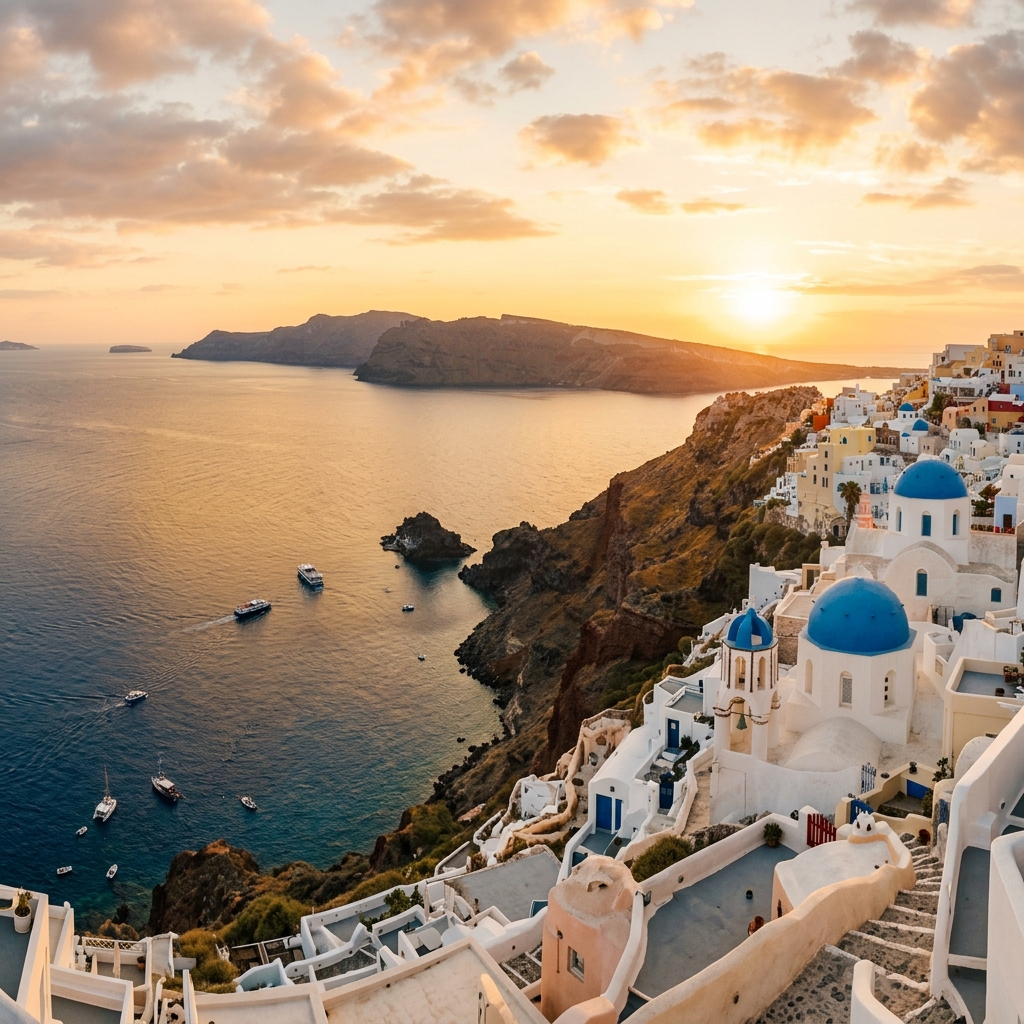
Is Santorini expensive?
Planning a trip to Greece? We break down the costs of visiting Santorini, including tips on accommodation, dining, and activities to help you travel on any budget.
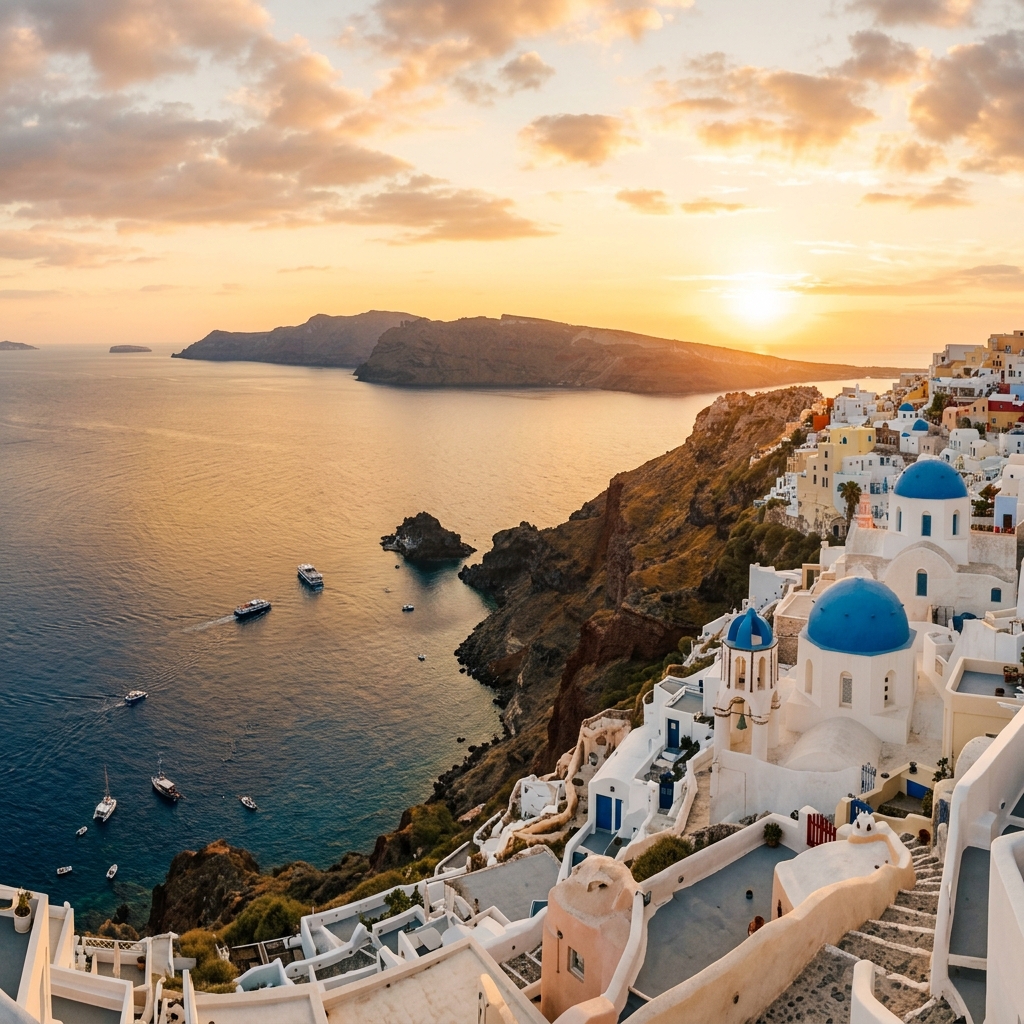
Where to stay in Santorini
Planning a trip to Greece? Discover the best areas to stay in Santorini, from the sunset views of Oia to the black sand beaches of Perissa. Find your perfect stay today.
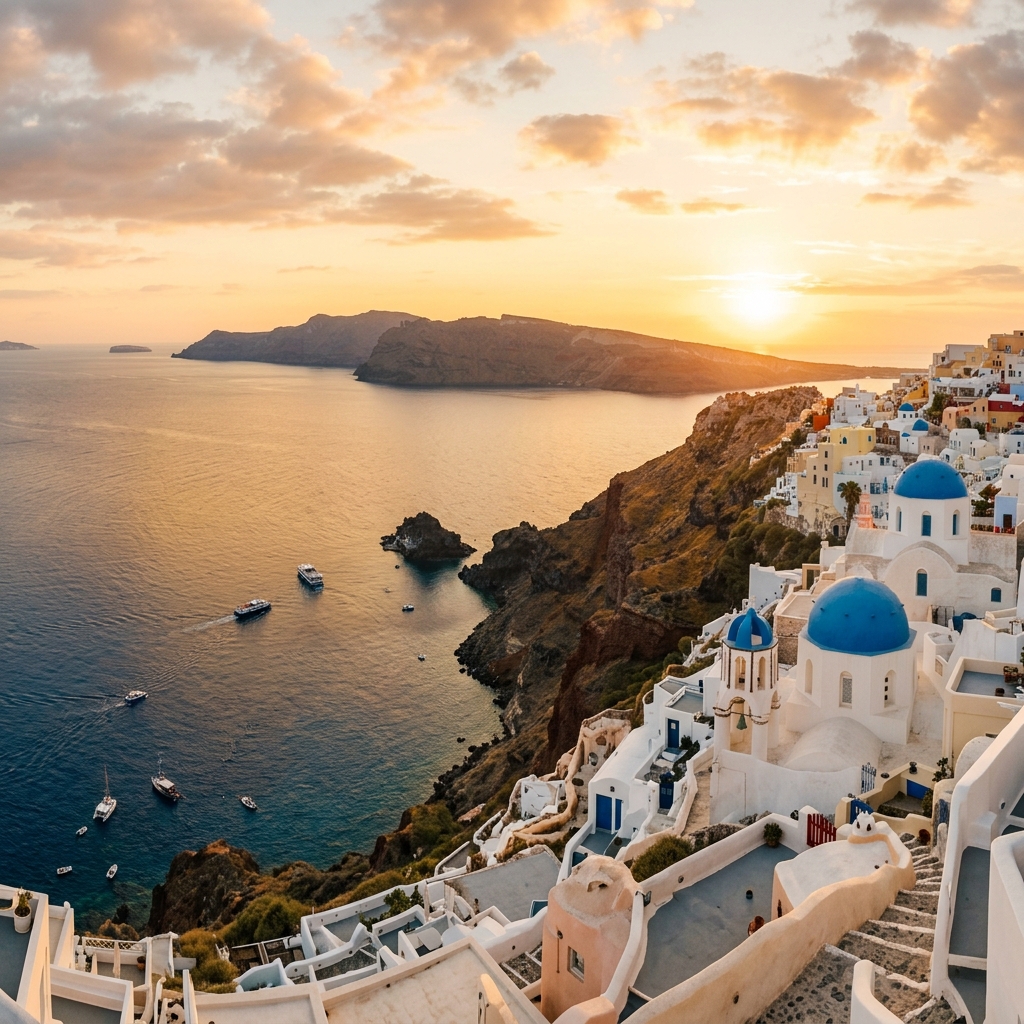
Best time to visit Santorini
Planning a trip to Greece? Discover the best time to visit Santorini, from the ideal weather of shoulder season to the vibrant energy of summer and budget-friendly winter tips.