Decoding the True Cost of a Santorini Vacation
Santorini is often perceived as a playground for the ultra-wealthy, a place where sunset views cost a fortune and dinner plates are priced like fine jewelry. While it is undeniably one of the most premium destinations in the Mediterranean, the reality of a Santorini trip is far more nuanced. Whether you are planning a high-end honeymoon or a budget-conscious adventure, understanding the archipelago's economy is essential to enjoying the island without financial regret.
The cost of visiting Santorini depends heavily on your choices regarding location, timing, and luxury preferences. By breaking down the individual components of your trip, you can create a strategy that balances the iconic Aegean experience with your personal budget.
Accommodation: The Caldera Premium
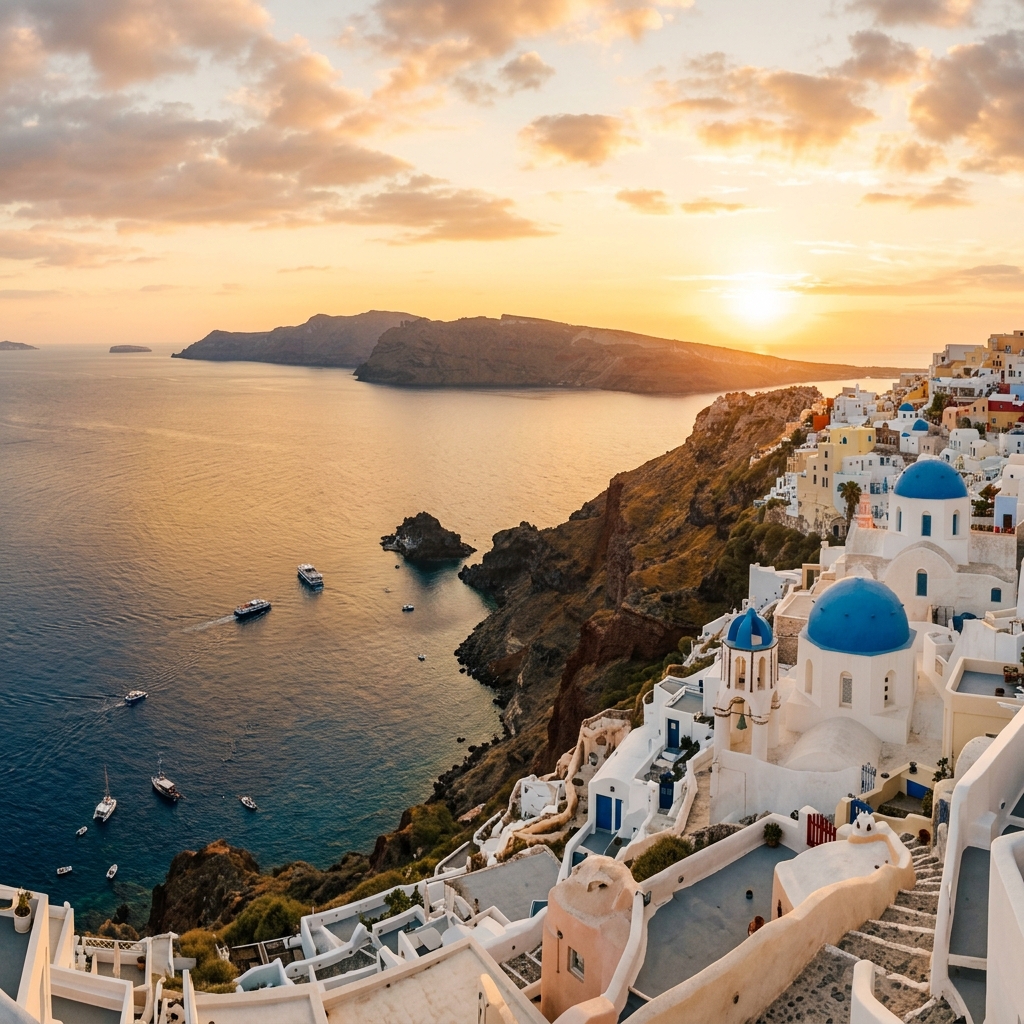
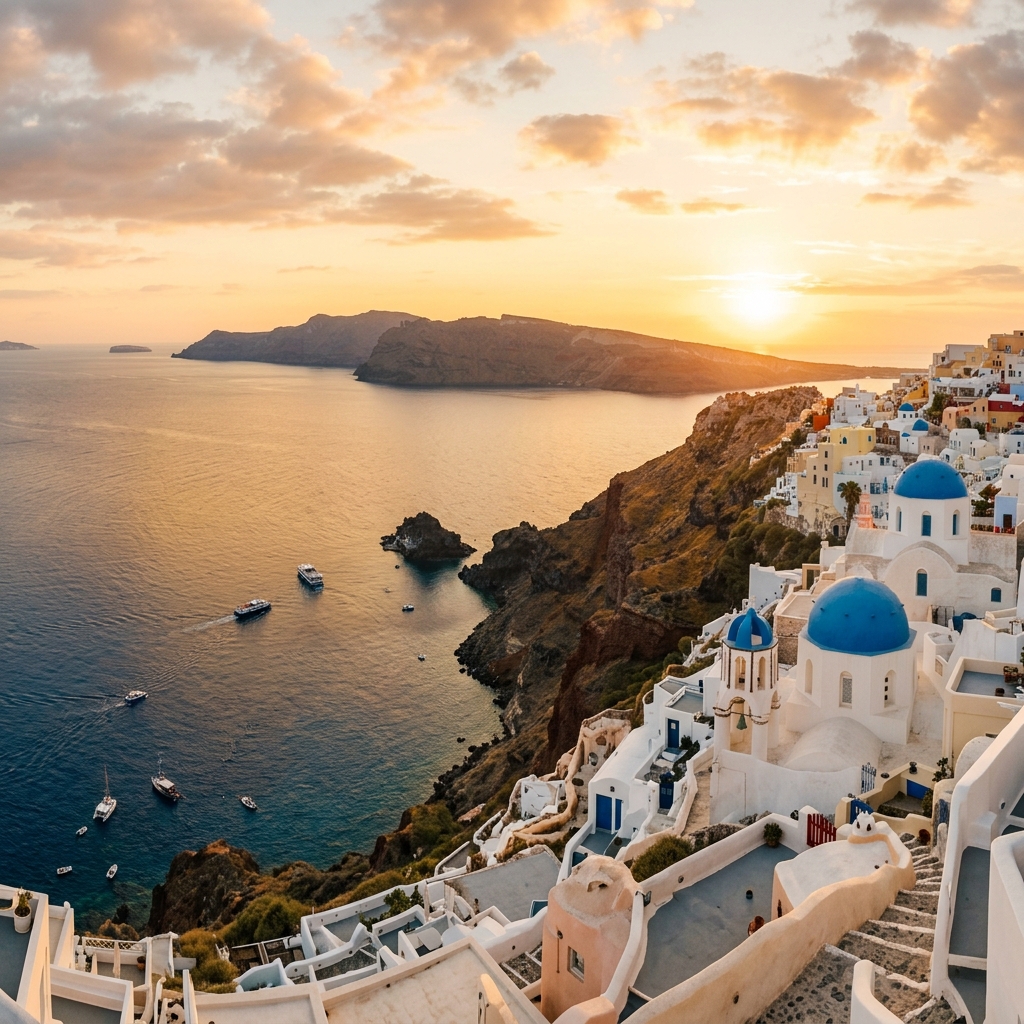
The single biggest factor in the cost of a Santorini trip is your choice of accommodation. The famous Oia and Imerovigli villages, perched directly on the caldera cliffside, carry a massive price premium. Hotels here often feature private plunge pools, cave-style architecture, and the most unobstructed views of the sunset. During peak season, these properties can easily command prices ranging from $600 to $2,000 per night.
However, you do not need to stay in the caldera to enjoy the island. Fira, the island’s capital, offers more variety in price points, while the eastern side of the island—specifically Perissa and Kamari—offers beachfront hotels that are significantly more affordable. These areas feature black sand beaches and a local, relaxed vibe that is far removed from the tourist frenzy of the caldera rim. Opting for a hotel on the eastern side can save you as much as 60% on your lodging expenses.
For those spending long days exploring the rugged volcanic paths or waiting for the perfect sunset photograph, having the right gear is essential to keep your electronics charged and ready.
Portable Power Bank for Travel
Recommended gear for your adventure

High Capacity Portable Charger Fast Charging - Premium Choice

Top Rated High Gear

Professional High Capacity Portable Charger Fast Charging

Compact High Capacity Portable Charger Fast Charging (Travel Size)
Dining: From Street Food to Fine Dining
Dining in Santorini spans the entire spectrum. You can spend $300 on a bottle of Assyrtiko wine and a multi-course tasting menu overlooking the volcano, or you can grab a traditional gyro for less than $10. The secret to keeping food costs down is avoiding restaurants with "view menus." If a restaurant has a prime position on the cliff edge in Oia, you are paying for the vista as much as the food.
Local tavernas, found in inland villages like Pyrgos, Emporio, or Megalochori, serve authentic Greek cuisine at a fraction of the cost. Look for family-run establishments where the menu is small and the ingredients are sourced locally. The island’s volcanic soil produces incredible cherry tomatoes, fava beans, and white eggplants—all of which are delicious and surprisingly affordable when purchased from local markets.
Transportation and Getting Around
Renting a vehicle is the standard way to see the island, but costs vary significantly. During the summer, rental prices for cars can spike due to high demand. An alternative is the local KTEL bus system, which is reliable, efficient, and very cheap. Buses run regularly between Fira and all the major villages and beaches. For those who want more freedom without the cost of a rental car, ATVs and scooters are popular, though they require careful driving due to the island’s narrow and winding roads.
If you are planning to spend your days hiking from Fira to Oia, ensure you have comfortable, high-quality footwear, as the path is rocky and uneven.
Durable Walking Shoes for Travel
Recommended gear for your adventure

Lightweight Breathable Hiking Shoes For Women Men - Premium Choice
Top Rated Lightweight Gear
Professional Lightweight Breathable Hiking Shoes For Women Men
Compact Lightweight Breathable Hiking Shoes For Women Men (Travel Size)
The Best Time to Visit
Timing is the most effective tool you have for controlling the cost of your trip. The price surge in July and August is dramatic. Not only are hotels at their most expensive, but the sheer volume of cruise ship passengers can make popular spots feel overcrowded and less enjoyable.
The "shoulder season"—specifically May, early June, September, and October—offers the perfect balance. During these months, the weather is warm enough for the beach, the Aegean remains clear and beautiful, and hotel prices can drop by 30% to 50%. In early May or late October, you can often find luxury boutique hotel rooms for prices that would only get you a standard room in the heart of August.
A Suggested 4-Day Budget-Conscious Itinerary
Day 1: Arrival and The Capital
Arrive in Fira and check into a hotel on the outskirts of the town center to save on costs. Spend your afternoon wandering the cobblestone streets, visiting the Museum of Prehistoric Thera, and enjoying a casual lunch of souvlaki. In the evening, walk the caldera path toward Firostefani for a stunning sunset without the massive crowds found in Oia.
Day 2: Beach and Volcanic History
Head to the southern part of the island. Spend your morning at the Red Beach to see the unique volcanic rock formations. In the afternoon, visit the Akrotiri Archaeological Site. Often called the "Minoan Pompeii," this Bronze Age settlement is one of the most important historical sites in Greece. The entrance fee is modest, and the historical insight is invaluable.
Day 3: Inland Traditions
Rent a local transport or use the bus to visit the inland village of Pyrgos. It is the highest point on the island, offering panoramic views of both sides of Santorini. Visit the ruins of the Venetian castle at the top and enjoy a quiet, traditional dinner in the village square, where the prices reflect local demand rather than tourist demand.
Day 4: Wine and Sea
Santorini is famous for its unique viticulture. Instead of booking an expensive group wine tour, visit a local winery like Venetsanos or Gavalas on your own. You can opt for a wine flight and a snack. Spend your final afternoon at Perissa Beach, enjoying the black volcanic sand and the calm water before heading back for a final, affordable dinner at a seaside taverna.
Practical Tips for Saving Money
- Hydration: Tap water in Santorini is not for drinking. Instead of buying individual plastic bottles, purchase large multi-liter jugs from supermarkets.
- Supermarket Strategy: If your accommodation has a kitchenette, buy your breakfast supplies, snacks, and wine from a local grocery store. This simple change can save a couple hundred dollars over the course of a week.
- Avoid the Cruise Rush: If you are staying for several days, keep an eye on the cruise ship schedule. On days when four or more large ships are docked, the villages of Oia and Fira become extremely congested. Use those days to explore the quieter inland villages or spend time at the beaches.
- Free Views: Remember that the sunset, the sea, and the architecture are free. You do not need to sit in a $50-per-cocktail bar to watch the sun go down. Find a public viewpoint along the walking paths and enjoy the same spectacle for nothing.
Is It Worth the Price?
The "expensive" label attached to Santorini is usually a result of travelers attempting to replicate an Instagram-perfect, ultra-luxury lifestyle. When you strip away the private infinity pools and the high-end dining, Santorini remains a geologically fascinating, culturally rich, and visually stunning island. The dramatic cliffs, the ancient history of Akrotiri, the unique volcanic wines, and the Aegean Sea are accessible to anyone who plans ahead.
If you value unique landscapes and ancient history, the cost of a trip to Santorini is easily justified. By choosing your accommodation wisely, traveling during the shoulder season, and exploring beyond the high-traffic tourist hotspots, you can experience one of the world's most famous destinations without breaking the bank. Santorini does not have to be a budget-breaker; it simply requires a bit of local knowledge and a willingness to step off the beaten path.
Disclaimer: This article contains affiliate links. If you book or purchase through these links, we may earn a small commission at no extra cost to you. This helps support our travel guides.