Understanding the Santorini Calendar: A Strategic Guide
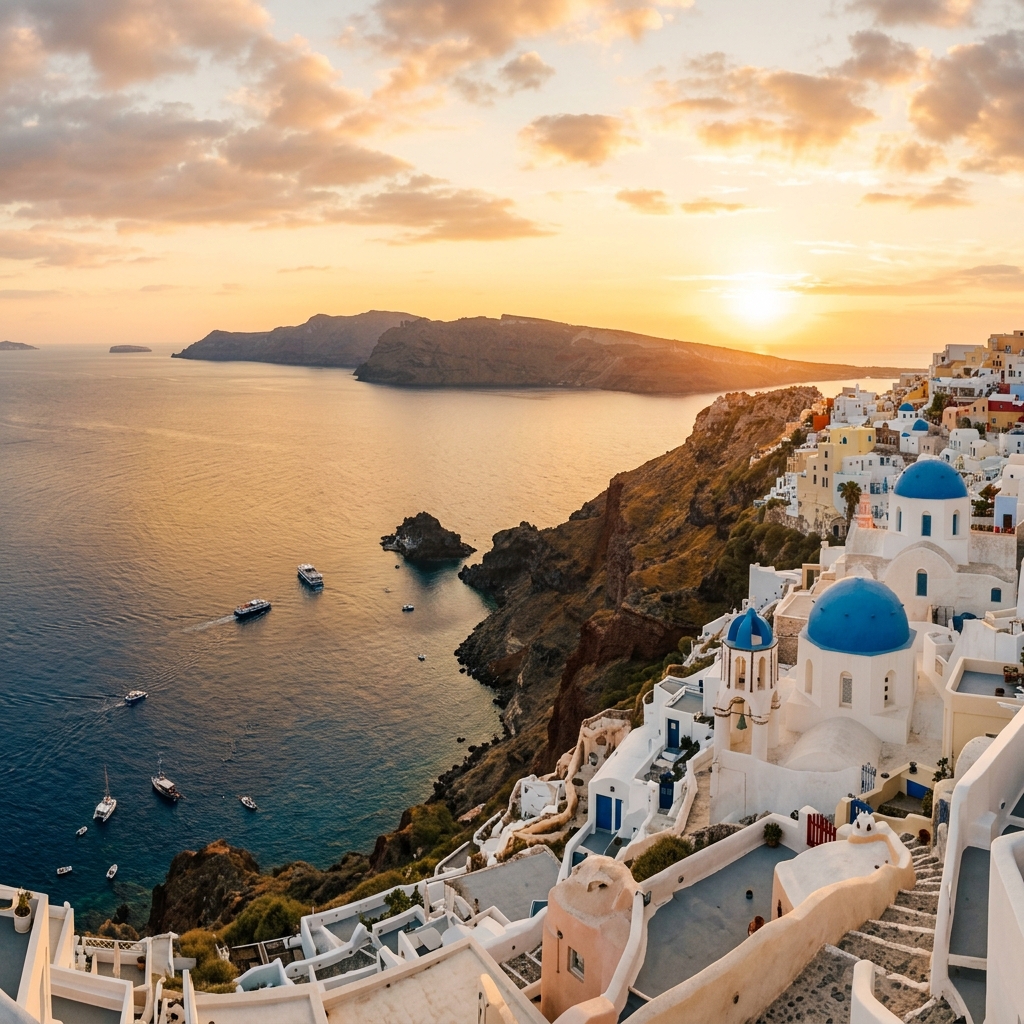
Santorini is a geographic paradox. It is a place of dramatic volcanic cliffs, azure caldera views, and white-washed villages that seem to defy gravity. However, the experience of standing on those cliffs changes drastically depending on the month you choose to arrive. Whether you are chasing the legendary sunset of Oia, looking to hike the caldera rim, or hoping for a quiet morning in Pyrgos, your timing is the single most important factor in your travel planning.
Most travelers focus solely on the weather, but in the Cyclades, seasonal logistics—such as ferry frequency, hotel availability, and the raw volume of cruise ship passengers—matter just as much as the thermometer. This guide breaks down the nuances of the island’s annual cycle to help you choose the window that fits your personality and travel goals.
Spring: The Season of Renewal (April and May)
Spring is widely considered by savvy travelers to be the absolute best time to visit Santorini. As the winter chill fades, the landscape transforms. The wild poppies and yellow flowers bloom against the stark volcanic rock, creating a visual contrast that isn't present during the scorched summer months.
In April, the island is remarkably peaceful. While the sea is still a bit too crisp for a long swim, the weather is perfect for exploration. You can walk the trail from Fira to Oia without the oppressive heat that makes the path a struggle in August. By May, the water begins to warm, and the beach clubs in Perivolos and Perissa start opening their doors. If you want to experience the "Instagram-famous" views without the shoulder-to-shoulder crowds, this is your window.
Advantages of a Spring Trip
- Lower Pricing: Luxury caldera-view hotels are significantly more affordable than during the mid-summer peak.
- Authenticity: You interact primarily with locals, as the seasonal service staff from mainland Greece has yet to fully arrive.
- Photography: The light in May is soft and golden, avoiding the harsh, flat overhead glare of mid-summer.
Since you will be doing a significant amount of walking on uneven cobblestones and volcanic trails, having the right gear is essential. We recommend investing in sturdy, comfortable footwear before you fly.
Travel Walking Shoes
Recommended gear for your adventure

Womens Tennis Shoes Comfortable: Lightweight Non Slip Sneakers for Walking Casual Travel

Neptune Women's Shoe, Lightweight & Breathable Stretch Knit Upper, Soft Cushion Footbed

Women's Hands Free Slip-in Ultra Flex 3.0 - Brilliant Path Sneakers
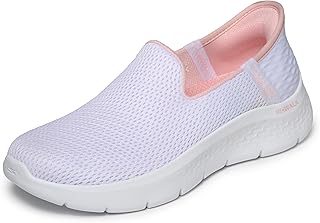
Women's Hands Free Slip-ins Go Walk Flex - Relish Sneaker
The Summer Peak: June, July, and August
Summer in Santorini is an intense, high-energy affair. This is when the island operates at full capacity. If your goal is to experience the legendary nightlife, the high-end beach parties, and the bustling dining scene of Fira, then these months are for you. However, prepare for the reality of the crowds. Santorini’s narrow alleys become congested, and the demand for restaurant reservations at sunset is fierce.
July and August bring the Meltemi winds—a strong, dry wind that blows from the north. While it can make the Aegean choppy and cause ferry delays, it also provides a necessary cooling effect that makes the 30°C (86°F) heat manageable. It is important to remember that during the peak of the season, Santorini is one of the most visited destinations in the world. Patience is the most valuable commodity you can pack.
Autumn: The Golden Grace Period (September and October)
If Spring is the season of renewal, Autumn is the season of mellow contentment. September is, in many ways, the best month of the year. The sea has spent the entire summer soaking up the sun, making it perfectly warm for swimming. The crowds start to dissipate after the second week of September, yet almost every business remains open.
October brings a cooling trend, and while it is technically the start of the "off-season," the island remains vibrant. You will find that restaurant owners are more relaxed, having survived the hectic summer rush. It is a fantastic time for food and wine lovers to visit. The harvest season is complete, and the local Assyrtiko wine flows freely.
Practical Tips for Off-Season Travel
- Pack Layers: The wind can pick up suddenly in October. A light windbreaker or sweater is necessary for evening sunset viewing.
- Check Ferry Schedules: As October ends, the frequency of high-speed hydrofoils decreases. Always double-check your departure times with your hotel concierge.
- Rent a Car: Public buses are excellent in the summer, but their frequency drops in the shoulder season. Renting a small car provides much more freedom.
Sun protection is non-negotiable regardless of the month. The reflective white walls of the caldera intensify the UV rays significantly.
High SPF Sunscreen
Recommended gear for your adventure

Lifeguard SPF 50 Sunscreen Lotion - Daily Broad Spectrum Face and Body Sunscreen, No White Cast, Hydrating Finish, For All Skin Types, Water Resistant, Reef Safe - 8 fl. oz.

Thinkkids Safe Mineral Sunscreen SPF 50+, 3 Fl Oz, Natural, Water Resistant Reef Safe Sunscreen for Children, Broad Spectrum UVA/UVB Sun Screen

Neutrogena Clear Face Sunscreen Lotion SPF 50 for Acne-Prone Skin Broad Spectrum UVA UVB Protection Oil-Free No-Fragrance No-Oxybenzone Water-Resistant Daily Face Moisturizer, 3 fl oz

Thinksport SPF 50 Mineral Sunscreen – Safe, Natural Sunscreen for Sports & Active Use - Water Resistant Sun Cream –UVA/UVB Sun Protection – Vegan, Reef Friendly Sun Lotion, 3 Fl Oz (Pack of 1)
Winter: The Quiet Reflection (November to March)
Winter in Santorini is not for the traditional tourist. It is for the traveler who wants to see the island as it truly is: a small, isolated volcanic rock in the middle of a winter sea. During these months, the majority of the "caldera view" hotels close for renovations. Fira becomes a ghost town, and Oia falls into a deep, necessary slumber.
However, winter has a stark, dramatic beauty. The sky often turns deep shades of bruised purple and grey, and the wind whips against the cliffs in a display of raw nature. Prices drop to their absolute minimum, and you can occasionally find high-end suites for a fraction of their peak-season cost. If you are a writer, a photographer, or someone who simply wants to escape to a quiet place to read and reflect, winter provides an unparalleled experience of solitude.
Suggested Itinerary: The "Goldilocks" 5-Day Trip
This itinerary is best suited for late May or early September, maximizing the balance between weather and accessibility.
Day 1: Arrival and Orientation
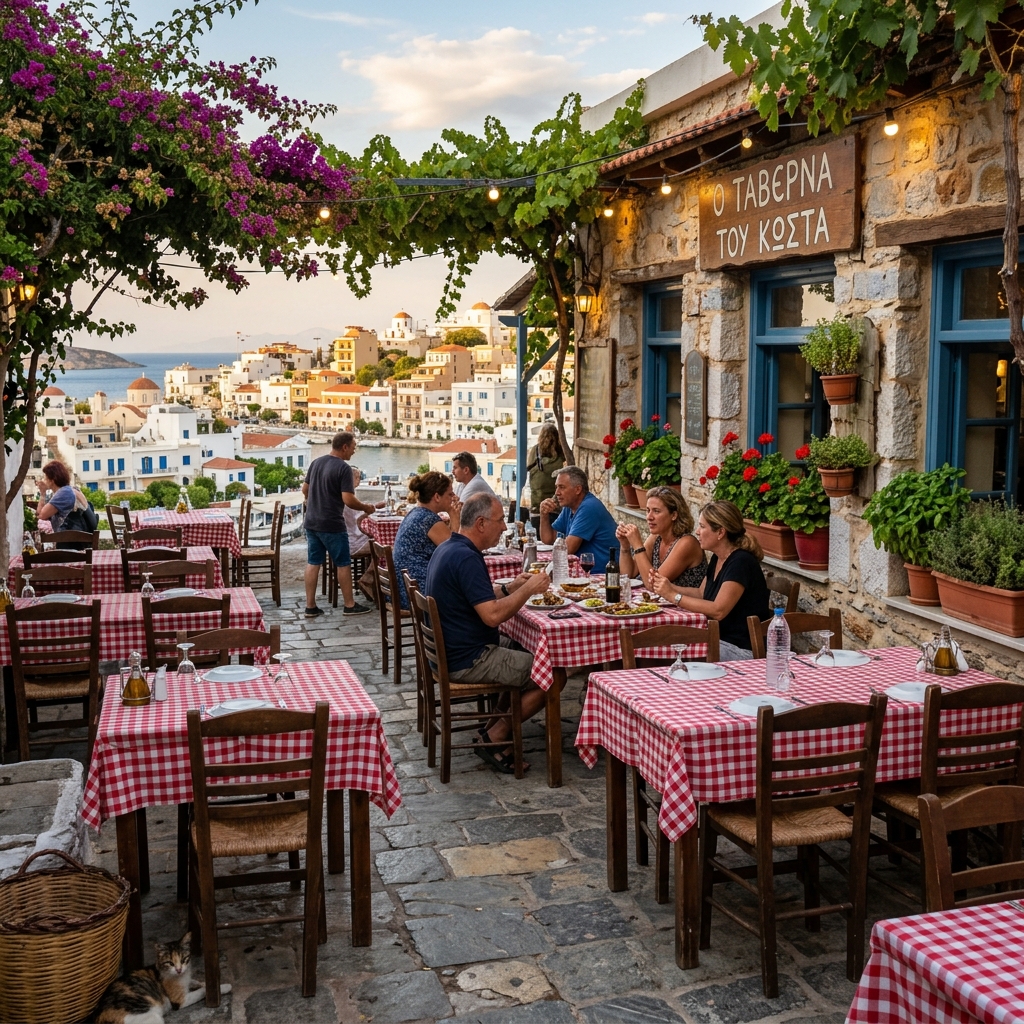
Arrive via ferry or flight and check into a hotel in Imerovigli. This village offers the best caldera views without the constant pedestrian traffic of Oia. Spend your first evening dining in a local tavern away from the main thoroughfare.
Day 2: The Caldera Hike
Embark on the iconic hike from Imerovigli to Oia. Start early—around 7:30 AM—to avoid the sun. The hike takes about three hours and offers the most spectacular vistas on the island. Once in Oia, explore the lower port of Ammoudi Bay for a fresh seafood lunch by the water.
Day 3: Volcanic History and Wine
Take a boat tour to the Nea Kameni volcano to hike the crater. Afterward, spend the afternoon visiting the island’s world-renowned wineries. Santorini is famous for its volcanic soil which produces a unique, mineral-rich white wine known as Assyrtiko.
Day 4: Ancient Ruins and Black Sands
Visit the Akrotiri Archaeological Site, a Bronze Age settlement preserved in volcanic ash. It is the "Pompeii of the Aegean." Afterward, head to the southern beaches—Perissa or Perivolos—to enjoy the unique black volcanic sand and the deep Aegean blue.
Day 5: Sunset and Departure
Spend your final day wandering the backstreets of Pyrgos, the highest point on the island. It is a medieval village that feels worlds away from the tourist centers. End your trip with a final sunset view, perhaps opting for a quieter spot on the caldera rather than the crowded ruins of Oia.
Final Thoughts on Planning Your Visit
Ultimately, the "best" time to visit Santorini depends on what you want to sacrifice. If you visit in July, you sacrifice peace for the convenience of full amenities and perfect swimming weather. If you visit in March, you sacrifice the sun-drenched beach experience for total solitude and low costs.
For the vast majority of travelers, the "shoulder months"—the two weeks surrounding the summer peak—offer the most rewarding balance. May and September are the sweet spots where the island is alive, the weather is cooperative, and the soul of the Cyclades is still easily accessible. Regardless of when you choose to go, remember that Santorini is a landscape that demands slow movement. Do not over-schedule your days. Leave room for the long, multi-hour dinners, the unexpected conversations with local winemakers, and the simple act of watching the light shift across the caldera walls. That, after all, is the true essence of this remarkable island.
Disclaimer: This article contains affiliate links. If you book or purchase through these links, we may earn a small commission at no extra cost to you. This helps support our travel guides.