Paros
The Essence of Paros: An Island of Marble and Light
Paros sits at the heart of the Cyclades, acting as a crossroads for Aegean maritime routes. While its neighbor Mykonos leans into excess and Santorini focuses on the caldera, Paros offers a balanced elegance. It is an island that feels lived-in, authentic, and deeply connected to the sea. From the neoclassical architecture of Parikia to the fishing-village charm of Naoussa, Paros rewards those who prefer to wander without a rigid agenda.
The island’s landscape is a study in contrasts. You will find arid, rolling hills composed of the same crystalline marble that built the Venus de Milo, juxtaposed against turquoise bays that appear almost neon under the midday sun. It is a destination that suits families, solo travelers, and couples alike, offering a sophisticated infrastructure that never feels overly polished or artificial.
A Deep Dive into History
To understand Paros, one must look toward the earth. The island’s prosperity for millennia was built on its high-quality Parian marble, a translucent, white stone coveted by ancient sculptors. This industry funded the construction of the Panagia Ekatontapiliani, or the Church of 100 Doors, in Parikia. Built in the 4th century AD, it is considered one of the best-preserved Byzantine monuments in Greece. According to local legend, the church has 99 visible doors, and the 100th will reveal itself only when Constantinople returns to Christian rule.
During the Middle Ages, Paros fell under the influence of the Duchy of the Archipelago, which introduced Venetian architectural influences still visible in the ruins of the Frankish Castle in Parikia. Walking through the Kastro district, you notice how the marble blocks from ancient temples were repurposed into the walls of residential homes, turning the city into a living museum of architectural recycling.
Top Sights and Cultural Anchors
The Villages of the Interior
While the coast draws the crowds, the interior of Paros keeps the tradition alive. Lefkes, the former capital, is perched high in the mountains. It is a labyrinth of whitewashed alleys, flowering bougainvillea, and traditional cafes. Here, the pace of life slows. It is the perfect place to start your hike along the Byzantine Path, an ancient stone-paved trail that connects Lefkes to the village of Prodromos. The walk takes about an hour and offers panoramic views of the Aegean and the neighboring island of Naxos.
Naoussa: Where Tradition Meets Sophistication
On the northern coast, Naoussa has evolved from a quiet fishing village into the island’s cosmopolitan hub. During the day, the harbor is filled with wooden fishing boats known as kaikia. At night, the area transforms into a vibrant collection of wine bars and waterfront restaurants. Despite the modern influx of tourism, the narrow alleys retain their traditional Cycladic geometry.
Antiparos and the Sea Caves
No trip to Paros is complete without a short ferry ride to the sister island of Antiparos. A 10-minute crossing from Pounta brings you to a more rugged, intimate version of the Cyclades. The cave of Antiparos is a natural marvel, home to stalactites and stalagmites that have been forming for millions of years. It is a cooling retreat during the heat of July and August.
When you are preparing for long days of exploring rugged marble hills and sandy coastlines, packing the right gear is essential to staying comfortable and hydrated.
Culinary Traditions: The Parian Plate
Paros is an agricultural island. The local diet is defined by what the land and sea provide on any given day. Seafood is, naturally, the star. Grilled octopus, sun-dried and served with a splash of local vinegar, is a staple found in almost every taverna. The island is also known for gouna—sun-dried, salted fish that is grilled and served as a savory appetizer.
The island’s vineyards have seen a resurgence in the last decade. Parian wine, particularly the white varieties made from the Monemvasia grape, is crisp, acidic, and perfectly suited to the warm climate. Visiting a winery in the Moraitis or Kambouris regions allows you to sample vintages that you simply cannot find on the mainland.
For those interested in sweets, look for pasteli—a traditional sesame and honey bar that serves as the perfect fuel for a morning hike. It is a simple, ancient snack that encapsulates the Parian philosophy: high-quality ingredients, minimal processing, and deep tradition.
Best Time to Visit
The shoulder seasons are the secret to enjoying Paros. May and June offer warm, stable weather with long, light-filled days. The crowds are minimal, and the island’s wildflowers are in full bloom, covering the hills in shades of purple and yellow.
September and early October are arguably the best times to visit. The Aegean water is at its warmest after the long summer sun, the Meltemi winds (the fierce northerly winds that define the Cycladic summer) have died down, and the tavernas are still operating at full capacity, though the frantic energy of August has dissipated.
July and August are vibrant, busy, and hot. If you choose to visit during these months, prioritize beach time during the day and explore the villages late in the evening when the temperatures drop.
A Three-Day "Deep Dive" Itinerary
Day 1: The Heart of the Island
Start your morning in Parikia. Visit the Church of 100 Doors before the sun peaks. Spend the late morning walking the backstreets of the Kastro. For lunch, grab a pita at a local souvlaki spot before heading to the Archaeological Museum to see the Parian Chronicle. In the late afternoon, drive to the Butterfly Valley, a unique habitat where the Jersey Tiger moth congregates in the thousands during the summer months. End your day with a sunset dinner at a cliffside taverna in the southern part of the island.
Day 2: Coastal Exploration
Dedicate your second day to the coastline. Head to Kolymbithres Beach, famous for its smooth, sculptural granite rocks that create natural swimming "rooms." After a swim, head to Naoussa for a lunch of fresh catch. Spend the afternoon taking a small boat from the harbor to nearby beaches like Monastiri. As evening falls, find a spot for a cocktail in the Venetian port of Naoussa.
Day 3: The Mountainous Interior
Drive into the center of the island to reach Lefkes. Spend the morning wandering the village and visiting the Agia Triada church. If you are active, hike the Byzantine Path to Prodromos. Reward yourself with a lunch of local chickpeas (the island’s signature legume dish) in a village square. Use the afternoon to explore the mountain village of Marpissa, known for its pristine white alleys and impressive views of the sea.
Practical Tips for the Discerning Traveler
- Transportation: While buses connect the main towns, renting a small car or a scooter is highly recommended to reach the hidden bays and mountain villages. Roads are generally well-maintained but can be narrow.
- Sustainability: Paros has a limited water supply. Please be mindful of usage, especially during the summer. Avoid single-use plastics whenever possible, as the local recycling infrastructure faces high pressure during the peak season.
- Etiquette: While tourism is the primary industry, keep in mind that the villages are residential. Be respectful when photographing private homes or wandering into narrow alleys at night.
- Banking: While most restaurants and shops in Parikia and Naoussa accept credit cards, keep cash on hand for small village tavernas and when purchasing artisanal goods directly from producers in the interior.
Paros remains a place of genuine connection. It is not an island that requires a "to-do" list; it is an island that encourages you to slow down, listen to the bells of the mountain goats, and feel the history embedded in the marble beneath your feet. Whether you are seeking the quiet of a monastery or the buzz of a late-night harbour bar, Paros provides a backdrop of timeless Mediterranean beauty that stays with you long after the ferry carries you back to the mainland.
Disclaimer: This guide contains affiliate links. If you book or purchase through these links, we may earn a small commission at no extra cost to you. This helps support our travel guides.
Essential Guides
Latest Articles About Paros
Is Paros expensive?
Planning a trip to Greece? Find out if Paros is expensive. We break down costs for accommodation, dining, and transport to help you plan your island budget.
Where to stay in Paros
Planning a trip to Greece? Discover the best areas to stay in Paros, from the vibrant nightlife of Naoussa to the family-friendly beaches of Parikia and Aliki.
Best time to visit Paros
Planning a trip to the Greek Islands? Discover the best time to visit Paros for perfect weather, fewer crowds, and the best local experiences.

Paros Travel Guide: Why This Aegean Island Beats the Crowds
Stop following the crowds to Santorini. This guide covers how to experience Paros, from local tavernas to quiet beaches, without the tourist traps.
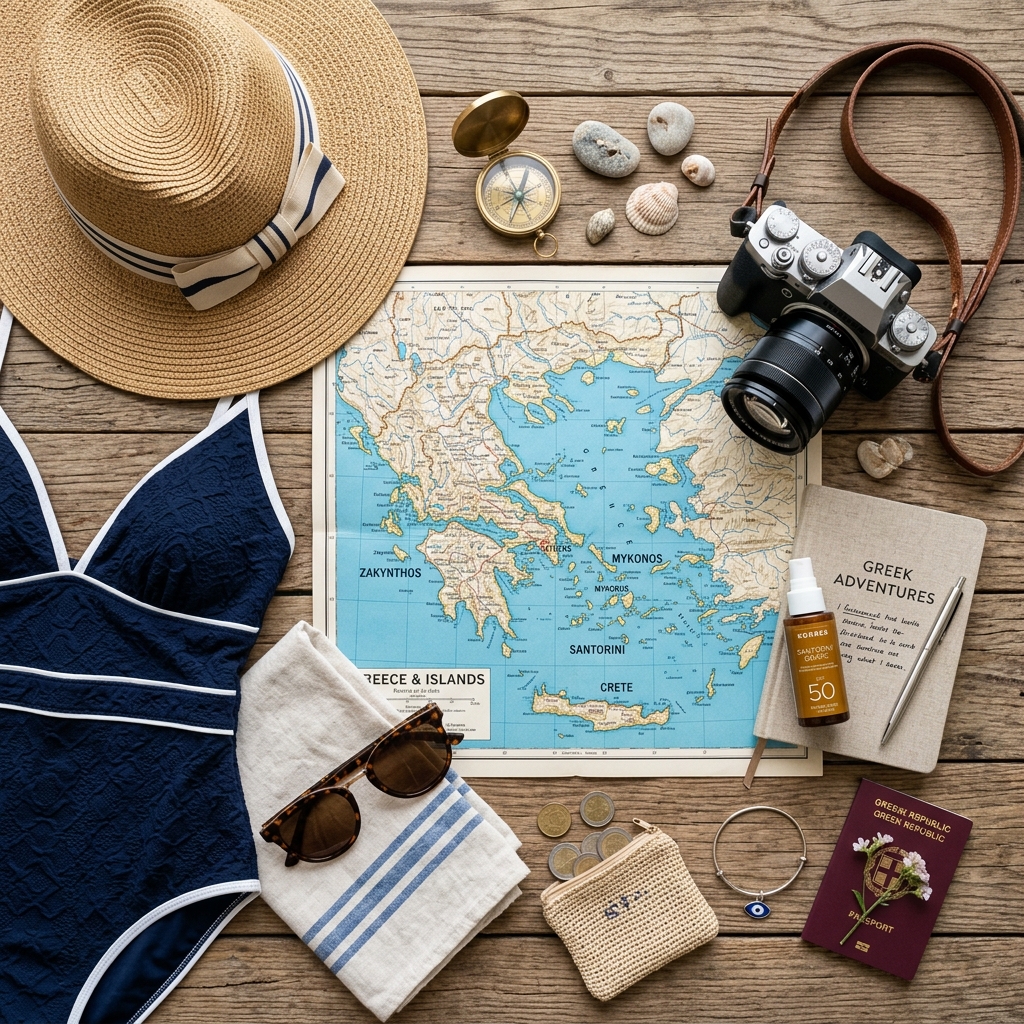
What to Pack for Paros: A No-Nonsense Guide for Your Greek Island Trip
Stop overpacking. Here is exactly what you need to pack for a trip to Paros, Greece, including essential gear, footwear, and clothes for island life.