Mykonos
The Eternal Allure of Mykonos
Mykonos is a paradox. It is a rugged, arid island in the center of the Cyclades that has transformed itself into a global symbol of luxury, hedonism, and minimalist aesthetics. While the island is often reduced to tabloid headlines about celebrity beach clubs and high-priced cocktails, there remains an authentic pulse beneath the gloss. It is a place where ancient history, traditional Aegean architecture, and modern luxury collide in a way that feels both chaotic and strangely harmonious.
Geographically, Mykonos is not a large island—you can traverse it in less than an hour by car—but it packs more cultural and sensory depth into its 85 square kilometers than almost anywhere else in Greece. From the labyrinthine alleys of Chora to the haunting, sacred silence of the nearby island of Delos, Mykonos is a study in contrasts.
A Brief History: From Poverty to Prestige
To understand Mykonos, you must look beyond the whitewashed boutiques. In antiquity, the island was considered a barren place, sparsely populated and largely used as a staging ground for the sacred island of Delos, located just a few nautical miles away. Delos was the mythological birthplace of Apollo and Artemis, and for centuries, no one was allowed to be born or die on that holy soil, forcing the population to congregate on Mykonos.
For most of the last two millennia, Mykonos was a quiet, working-class island defined by agriculture and maritime trade. Its transition into a tourist powerhouse began in the 1950s when high-society figures like Jackie Kennedy and Grace Kelly began stopping by on their yachts. The island’s architecture—the iconic cubic houses, narrow streets, and windmills—became a blank canvas for artists and dreamers. Today, it remains a site of architectural preservation, where strict building codes ensure that the classic Cycladic style remains intact despite the influx of modern infrastructure.
Navigating the Culture and Landscape
The culture of Mykonos is split between the "Old World" and the "New." In the early morning, before the cruise ships arrive and the beach clubs stir, you can find the authentic island. You will see elderly fishermen mending nets by the harbor and locals drinking thick Greek coffee in the shaded cafes of the Old Port. By late afternoon, the island shifts gears. The narrow streets of Chora become a runway, and the beach clubs transform into open-air theaters of dance and music.
One essential item to pack if you plan on exploring the island's many hidden rocky coves and winding pathways is a reliable pair of walking sandals that can transition from the street to the sand.
Top Sights and Experiences
1. The Windmills (Kato Mili)
Standing guard over the harbor, these 16th-century windmills are the definitive image of Mykonos. Historically used to mill grain, they now serve as the perfect backdrop for sunset photos. The wind here is constant, a natural air conditioning system that locals call the 'Meltemi,' which provides much-needed relief during the blistering heat of July and August.
2. Little Venice
Perhaps the most romantic spot on the island, Little Venice is a neighborhood where the foundations of the houses are built directly into the sea. In the 18th century, these homes belonged to wealthy merchants and sea captains. Today, they are cocktail bars and tavernas. Sitting at a table as the waves splash against the wall is an quintessential Mykonian experience.
3. The Archaeological Site of Delos
You cannot claim to have seen Mykonos without taking the short boat ride to Delos. This is one of the most important historical sites in Greece. Walking through the ruins of the Terrace of the Lions and the ancient theater feels like stepping back 2,500 years. Because the entire island is an open-air museum, visitors must respect the strict conservation rules.
4. Panagia Paraportiani
Located in the Kastro neighborhood, this church is actually a complex of five smaller churches fused together over several centuries. Its lopsided, organic shape and stark white plaster make it one of the most photographed religious buildings in the world. It is a masterclass in vernacular Aegean architecture.
Best Time to Visit
Timing is everything in the Cyclades. If your priority is nightlife and the social scene, July and August are your months. However, be warned: the island is extremely crowded, the heat is intense, and prices for accommodation soar.
For the discerning traveler, the "shoulder season" is the sweet spot. June and September offer the best balance. The water is warm enough for swimming, the evening temperatures are pleasant, and the crowds are significantly more manageable. If you visit in late September, you might even have some of the northern beaches entirely to yourself.
A Curated 3-Day Mykonos Itinerary
Day 1: The Heart of the Island
Start your morning at a local bakery in Chora to sample a tiropita (cheese pie). Spend your afternoon wandering the maze-like streets of the main town; the design is intentional, built centuries ago to confuse pirates. In the late afternoon, head to the windmills to watch the sunset, followed by dinner in a quiet tavern tucked away from the main thoroughfares. Look for traditional dishes like kopanisti (a spicy local cheese) and fresh octopus.
Day 2: Sacred History and Beach Life
Take the first morning ferry to Delos. Spend three hours exploring the ruins before heading back to the main island by lunchtime. In the afternoon, head to the south coast. Beaches like Psarou and Platis Gialos offer the high-energy beach club experience, while Agrari beach provides a much quieter, more relaxed atmosphere if you want to escape the music and dancing.
Day 3: The North and Local Flavor
Rent a car or a scooter for the day to explore the northern part of the island. It is far less developed than the south. Visit the Armenistis Lighthouse for panoramic views of the Aegean Sea and the neighboring island of Tinos. Spend your final afternoon at Ftelia Beach, a spot popular with windsurfers and those who prefer a more rugged, natural landscape. End your trip with a long, slow dinner in the village of Ano Mera, which remains the island's most traditional inland settlement.
Dining and Local Cuisine
While global luxury brands have set up shop here, the soul of Mykonian food remains simple and ingredients-driven. Mykonos is famous for its sausage (louza) and the aforementioned kopanisti. Don’t fall for the trap of eating every meal in the tourist-heavy spots near the Old Port. Venture into the side streets or head to Ano Mera for authentic stews and grilled meats.
Seafood is the star, but be aware that fresh fish is sold by weight. Always ask the price per kilo before you order to avoid any surprises when the bill arrives. For a casual lunch, hunt down a local souvlaki joint; the quality of Greek street food in Mykonos is surprisingly high, even if it is sold at a slight premium compared to Athens.
Practical Tips for the Modern Traveler
- Transportation: Do not rely exclusively on taxis. There are very few on the island, and during peak season, they are nearly impossible to secure. Rent a car, a small ATV, or a scooter if you are comfortable. If you plan to drink, stick to the island’s bus system, which is surprisingly efficient and connects the main hubs.
- Budgeting: Mykonos is not a budget destination. Expect to pay premium prices for sunbeds, dining, and accommodation. If you are on a tighter budget, stay in apartment rentals outside of Chora and shop at local supermarkets for breakfast and lunch supplies.
- Water Usage: Water is a precious resource on this arid island. Be mindful of your consumption, especially during the peak summer months. Most hotels have strict policies about towel reuse for this reason.
- Sun Protection: The combination of the Aegean sun and the wind can be deceptive. You won't feel the burn while the breeze is blowing, but the UV index is very high. Use high-SPF sunscreen even on cloudy days.
The Lasting Impression
Mykonos is what you make of it. It can be a place of endless parties and high-fashion display, or it can be a place of quiet reflection, history, and raw, beautiful nature. The key to enjoying the island is flexibility. Go with the flow of the local pace, respect the history that is literally under your feet, and don't be afraid to leave the mapped areas behind to find a quiet cove or a hidden taverna. Despite the changes of the last half-century, the ancient Aegean light still hits the white stone of Mykonos just as it did when the sailors of antiquity first pulled their ships onto its shores.
When you arrive, take a moment to stand still. Listen to the wind hitting the sails of the windmills and watch the water shift from turquoise to indigo. That is the true, unfiltered spirit of Mykonos, waiting for those who look past the surface.
Disclaimer: This guide contains affiliate links. If you book or purchase through these links, we may earn a small commission at no extra cost to you. This helps support our travel guides.
Essential Guides
Latest Articles About Mykonos
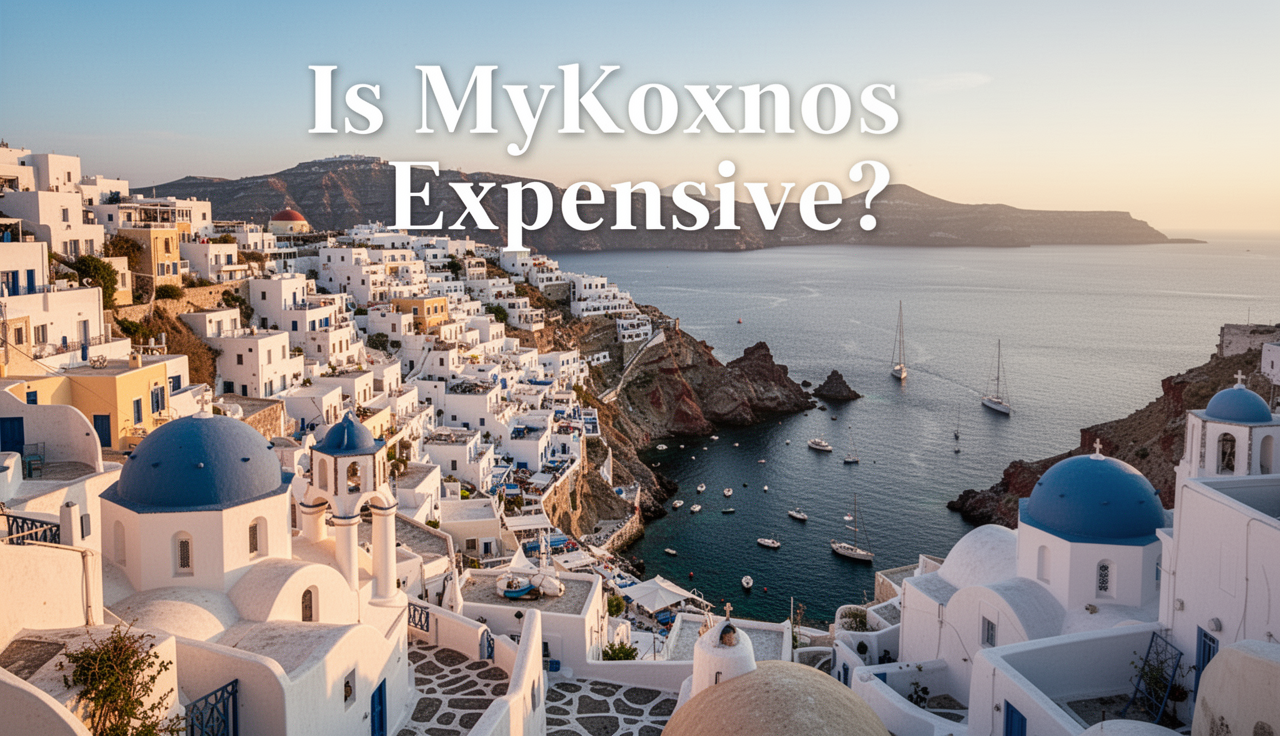
Is Mykonos expensive?
Planning a trip to Greece? Find out if Mykonos is expensive, with a breakdown of costs for hotels, dining, drinks, and tips on how to visit on a budget.
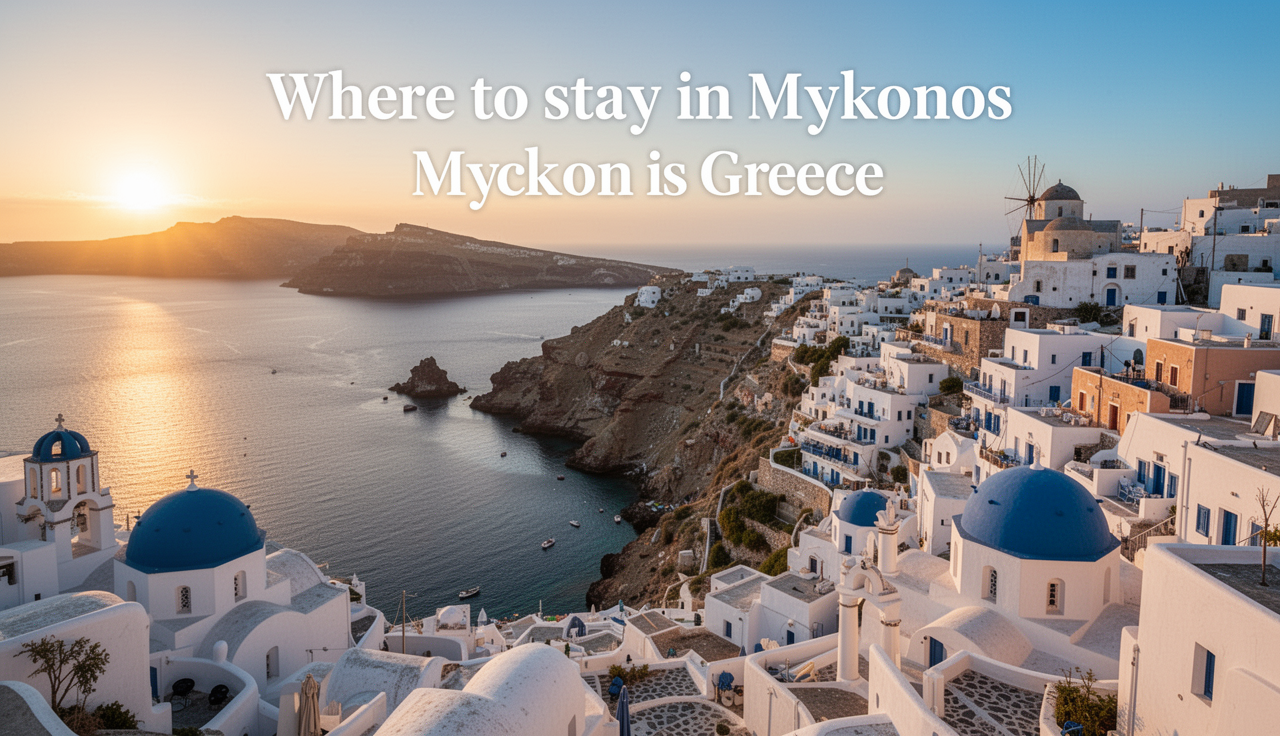
Where to stay in Mykonos
Planning a trip to Greece? Discover the best areas to stay in Mykonos, from luxury beach resorts to the vibrant nightlife of Mykonos Town. Find your perfect neighborhood.
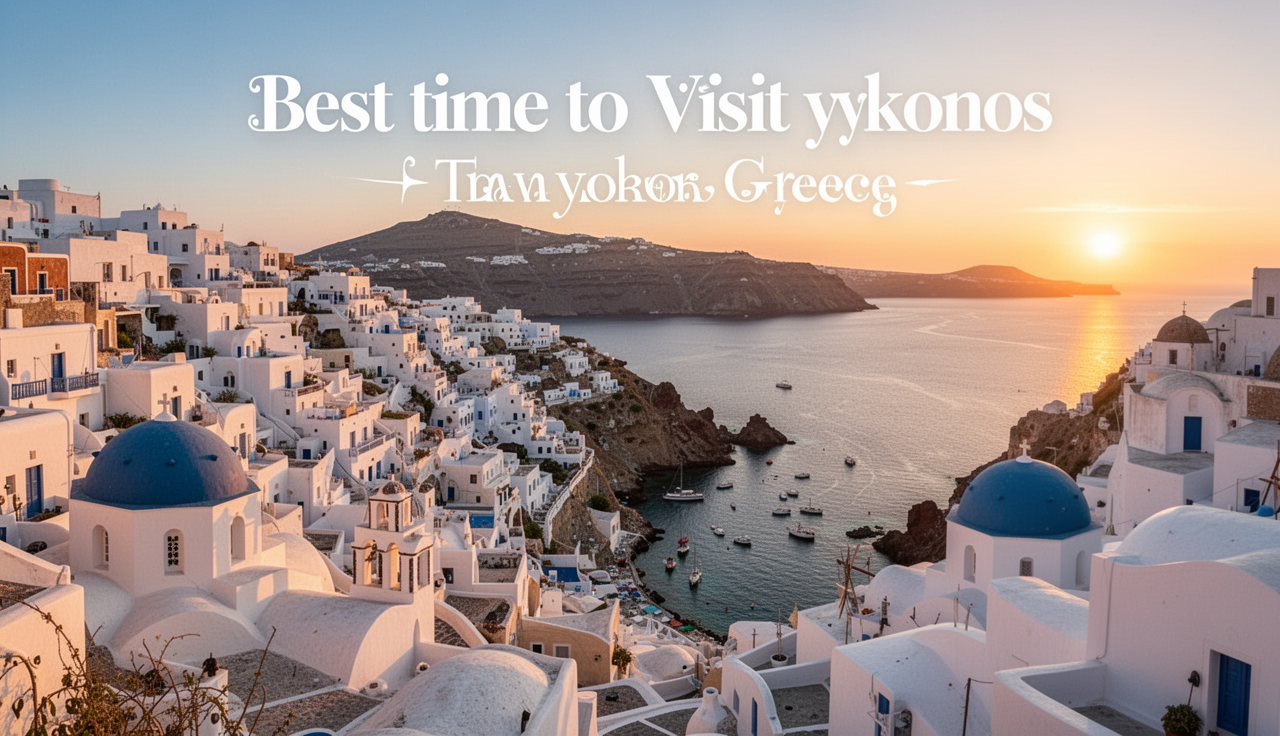
Best time to visit Mykonos
Planning a trip to Greece? Discover the best time to visit Mykonos for perfect weather, vibrant nightlife, and fewer crowds with our seasonal travel guide.
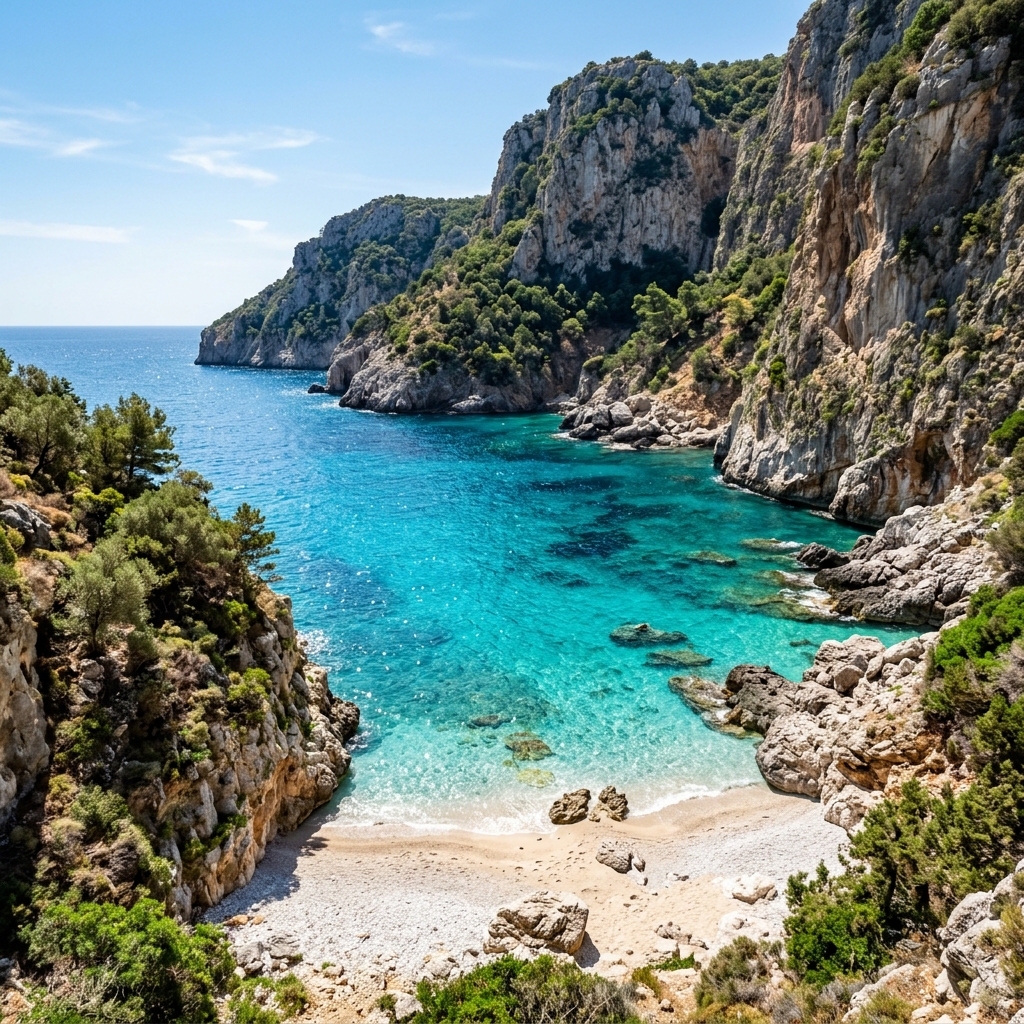
Mykonos Beyond the Beach Clubs: How to Find Real Local Culture
Escape the party scene and discover the authentic side of Mykonos. Explore hidden villages, traditional cuisine, and local traditions away from the island's famous beach clubs.