The Other Side of the White-Washed Walls
Most travelers arrive in Mykonos with a singular vision: the thumping bass of Super Paradise Beach, the sunset cocktails at Little Venice, and the crowded labyrinth of Chora. While there is no denying the allure of the island's high-octane lifestyle, there is a quieter, more resilient heartbeat to Mykonos that exists just outside the velvet ropes. To find it, you must look past the designer boutiques and into the sun-drenched hills, the quiet agricultural hinterland, and the enduring traditions of the people who call this granite rock home year-round.
Mykonos is, at its core, a Cycladic island shaped by the relentless Etesian winds (the meltemi) and a history of maritime trade. The "real" Mykonos is found in the scent of wild thyme, the taste of salty kopanisti cheese, and the quiet devotion found in the hundreds of tiny, family-owned chapels dotting the landscape. If you are willing to trade one afternoon of beach lounging for a trek into the island’s interior, you will find a version of Greece that feels both ancient and deeply personal.
The Agricultural Heart: Ano Mera and Beyond
While Chora is the face of the island, Ano Mera is its soul. Located in the center of Mykonos, this village remains largely untouched by the frenetic pace of the southern coast. It is here that you will find the Panagia Tourliani Monastery, an 18th-century sanctuary with a magnificent baroque iconostasis and a bell tower that rings out over the surrounding farms.
Walking through Ano Mera, you are more likely to see a local farmer tending to his vegetable patch than a group of influencers hunting for the perfect photo. Stop into a local kafenio—the traditional Greek coffee house—and order a strong Greek coffee. It is the perfect place to people-watch and observe a slower pace of life. As you explore the rural trails surrounding the village, you might want to bring some light equipment to document the rugged landscapes.
Travel Photography Gear
Recommended gear for your adventure

Lightweight Travel Tripod For Mirrorless Camera - Premium Choice

Top Rated Lightweight Gear

Professional Lightweight Travel Tripod For Mirrorless Camera

Compact Lightweight Travel Tripod For Mirrorless Camera (Travel Size)
Living History: The Mykonian Farm Experience
To truly understand the culture, you have to engage with the land. Mykonos was historically an agricultural powerhouse, exporting products long before tourism took hold. The Mykonian Farm, a traditional working agricultural estate, allows visitors to see this heritage in action. Here, you can learn about the cultivation of grapes, the harvesting of olives, and the traditional methods of animal husbandry that have kept the island population fed for centuries.
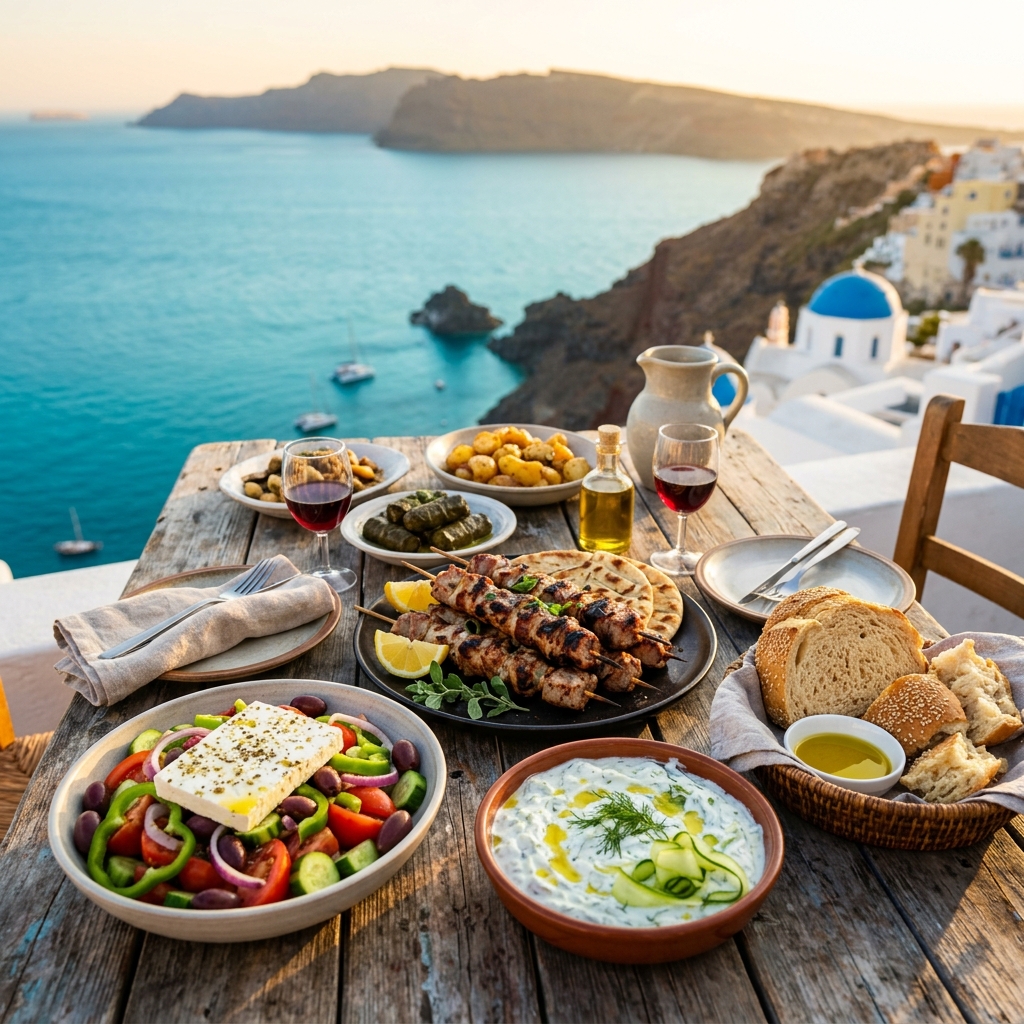
The culinary culture of the island is distinct. Do not leave without trying louza, a spiced, sun-dried pork fillet that is a Mykonian specialty, or the spicy, fermented kopanisti cheese. These are not tourist-menu items; they are the staples of island sustenance, often paired with a glass of strong local tsipouro. Tasting these flavors directly from the source provides a sensory link to the island's past that no beach club menu can replicate.
The Sacred Silent Neighbor: Delos
You cannot understand the culture of Mykonos without acknowledging its proximity to Delos. A short boat ride away, this UNESCO World Heritage site is the spiritual anchor of the Cyclades. According to mythology, it is the birthplace of Apollo and Artemis. While many visitors treat Delos as a quick morning excursion, it deserves a deeper dive. The sheer scale of the ruins, the Terrace of the Lions, and the intricate floor mosaics offer a profound sense of perspective.
Because there is little shade on the island of Delos, preparation is key to enjoying the experience without suffering from heat exhaustion. Bringing high-quality protective gear is essential for an immersive, day-long exploration of the archaeological site.
Sun Protection Essentials
Recommended gear for your adventure

Navigating the Island: A Practical Itinerary
The best way to see the authentic side of Mykonos is to rent a car or a sturdy ATV. The public bus system is efficient for connecting main hubs, but it will not take you to the remote northern beaches like Fokos or Myrsini, where the wind shapes the cliffs and you might be the only person on the sand.
Three-Day Cultural Deep Dive
- Day 1: The Highland Villages. Spend the morning in Ano Mera. Visit the Panagia Tourliani Monastery, then hike toward the Paleokastro ruins. End your day at a traditional taverna in the village center, asking for the daily special rather than the standard tourist menu.
- Day 2: The Spiritual and The Maritime. Take the first boat of the morning to Delos. Spend at least four hours wandering the ruins. Return to Mykonos town in the late afternoon, but skip the main strip. Instead, explore the back alleys behind the Archaeological Museum to find small galleries and the homes of local artists.
- Day 3: The Northern Wilds. Drive to the northern tip of the island. Visit the Armenistis Lighthouse for a panoramic view of the Aegean. Spend the afternoon at Fokos Beach—bring your own water and supplies—and enjoy the natural beauty of the rocky coastline. Finish with dinner at a seaside restaurant in Panormos, where the vibe is strictly about the quality of the fresh fish, not the music volume.
The Best Time to Visit for Authenticity
The "shoulder season" is the golden window for travelers seeking the real Mykonos. Aim for late May to mid-June, or late September through early October. During these months, the temperatures are temperate, the crushing crowds of mid-July and August have dissipated, and the locals have the time and headspace to engage in conversation. You will find that the taverna owners are more willing to share stories, and the island feels like a community rather than a stage set.
Preserving the Local Fabric
As a visitor, your impact matters. The "real" culture of Mykonos is under constant pressure from over-development. By choosing to stay in family-run guesthouses rather than massive chain resorts, you are directly supporting the local economy. When shopping for souvenirs, look for locally made ceramics or woven textiles rather than mass-produced trinkets. Mykonos has a thriving artistic community that often goes overlooked; seek out the small workshops in the Chora hills where painters and sculptors are actively working.
Respect for the island's religious sites is also paramount. When visiting the many private chapels, remember that these are not museums but active places of worship. Dress modestly, keep your voice low, and never take photos of people in prayer. These small gestures of respect go a long way in fostering a positive relationship between visitors and the permanent residents.
Closing Thoughts on the Mykonian Spirit
Mykonos is a place of duality. It is a island that has learned to project an image of glamour to the world to ensure its economic survival, yet it remains anchored to the rugged, stoic traditions of its Aegean roots. Finding the real Mykonos requires nothing more than a bit of curiosity and the willingness to walk away from the crowds. It is in the silence of a northern cliff, the salt-crusted hands of a fisherman, and the golden light hitting an ancient stone wall where you will find the true essence of this storied island.
By slowing down, looking deeper, and engaging with the people who sustain the island year-round, you transform your trip from a surface-level vacation into a meaningful exploration of a living, breathing culture. Mykonos is far more than its nightlife; it is an island of history, resilience, and quiet, enduring beauty, waiting for those who care to look.
Disclaimer: This article contains affiliate links. If you book or purchase through these links, we may earn a small commission at no extra cost to you. This helps support our travel guides.